What’s the difference between Barolo and Barbaresco? Two great expressions of Nebbiolo compared.
What’s the difference between Barolo and
Barbaresco? Two great expressions of
Nebbiolo compared.
Barolo and Barbaresco are two of the best-known and most highly regarded wines from Piedmont. They are both produced in the Langhe, made from the same grape variety — Nebbiolo — and both hold DOCG status. Yet, once they reach the glass, they can offer very different experiences.
So, what exactly is the difference between Barolo and Barbaresco?
The answer lies not simply in the name or the municipality where the wine is produced. What really sets them apart are the terroir, soil, microclimate, production regulations, and ageing requirements. It is precisely the interplay of these elements that makes the world of Nebbiolo so fascinating.
Barolo and Barbaresco: What Do They
Have in Common?
Before exploring their differences, it is important to start with what these two great wines have in common.
Both originate in the Langhe hills of Piedmont and are made exclusively from Nebbiolo grapes. Both appellations have DOCG status and represent some of the finest expressions of Piedmontese winemaking.
Nebbiolo is a grape variety that is particularly sensitive to the characteristics of its surroundings. Even just a few kilometres apart, different exposures, elevations, soils, and climatic conditions can contribute to wines with very different personalities.
This is precisely one of the most fascinating aspects of Barolo and Barbaresco: the same grape can give rise to very different interpretations depending on where it is grown.
What’s the Difference Between Barolo and Barbaresco?
The main differences can be summed up in four key elements:
- Production area.
- Characteristics of the terroir and soils.
- Minimum ageing requirements.
- Style and palate profile.
This does not mean, however, that every Barolo is necessarily more powerful than every Barbaresco, or that every Barbaresco is always softer. The producer, vintage, vineyard, and winemaking techniques can have a profound impact on the final result.
The comparison should therefore be considered a general guide to help you find your way around these two great wines.
Where Are Barolo and Barbaresco Produced?
The first difference is geographical.
Barolo DOCG is produced in an area of the Langhe that includes 11 municipalities, among them Barolo, La Morra, Monforte d’Alba, Serralunga d’Alba, and Castiglione Falletto. The area is characterized by a remarkable variety of exposures and soil types.
Barbaresco DOCG, on the other hand, comes from a more limited area encompassing Barbaresco, Neive, Treiso, and part of the municipality of Alba.
These territories are relatively close to one another, but they are not identical. Nebbiolo is remarkably capable of expressing these differences, translating the character of each place into aromas, structure, tannins, and length.
Multimedia suggestion: Insert a map of the Langhe here, highlighting the two production areas. A visual resource of this kind would help readers immediately understand both the geographical proximity and the territorial distinction between the two appellations.
Barolo and Barbaresco: Ageing Requirements Also Differ
Another important difference concerns the production regulations.
Barolo must undergo a minimum ageing period of 38 months, including at least 18 months in wood. To carry the “Riserva” designation on the label, the minimum ageing period increases to 62 months.
For Barbaresco, on the other hand, the regulations require a minimum ageing period of 26 months, including at least 9 months in wood. The Riserva version requires at least 50 months.
The difference in ageing requirements is significant and helps explain why, in general, Barbaresco may appear more approachable and ready to drink in its youth, while Barolo is often associated with a greater need for ageing and development.
Of course, time is not the only factor that determines a wine’s ageing potential: vintage, vineyard, producer, and storage conditions also play an important role.
Barolo: Structure, Depth, and Ageing
Potential
Barolo is often described as a structured, austere, and long-lived wine.
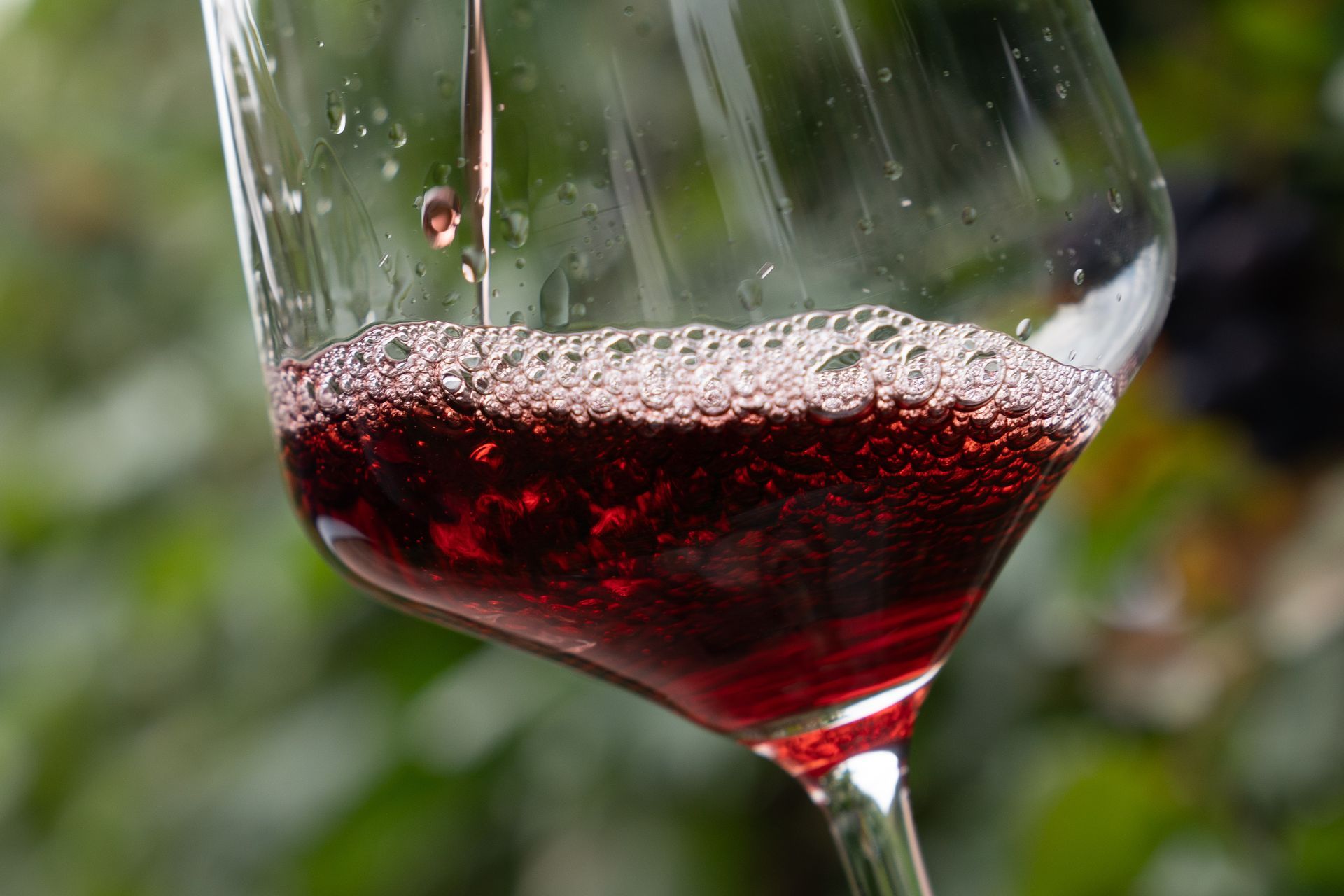
In the glass, it can offer complex aromas reminiscent of red berries, cherry, rose and dried violet, spices, and, with age, deeper notes such as tobacco, leather, licorice, and cocoa. The Consorzio highlights its balance between power and elegance, as well as the complexity of its tannins.
On the palate, tannins are an important component. In a young Barolo, they can be quite pronounced and may need time to fully integrate. With ageing, however, its structure can develop into greater harmony and complexity.
For this reason, Barolo is often chosen for special occasions or for cellaring and enjoying over the years.
Barbaresco: Elegance, Finesse, and
Approachability
Barbaresco is made from the same Nebbiolo grape, but it generally tends to express a finer, more elegant, and more graceful character.
Its aromas may recall red berries, rose, and violet, accompanied by spicy and balsamic notes that can become increasingly complex with age.
It is certainly not lacking in structure: Barbaresco is also a serious wine, with the ability to age for many years. However, compared with Barolo, it is often perceived as more agile and approachable in the early stages of its life.
It is precisely this combination of finesse, aromatic character, and structure that makes it particularly appealing to those looking to discover the Nebbiolo of the Langhe
Barolo or Barbaresco: Which Is More Powerful?
It’s a common question, but there is no simple answer.
If by “more powerful” we mean more structured and tannic, Barolo is generally perceived as the more imposing of the two.
If, on the other hand, you are looking for finesse, aromatic complexity, and a more immediate drinking experience, Barbaresco may feel more approachable.
But there is an important caveat: this is not an absolute rule.
A Barbaresco from an outstanding vintage and a particularly prestigious vineyard can have remarkable structure and ageing potential, while a Barolo made under certain conditions can be surprisingly elegant and vertical.
It is precisely this diversity that makes the comparison so fascinating.
Barolo and Barbaresco: A Table to Understand the
Differences
| Characteristic | Barolo | Barbaresco |
|---|---|---|
| Grape variety | Nebbiolo | Nebbiolo |
| Appellation | DOCG | DOCG |
| Area | 11 communes | 4 communes |
| Minimum ageing period | 38 months | 26 months |
| Minimum ageing in wood | 18 months | 9 months |
| Riserva | 62 months | 50 months |
| Generally associated style | Structured, austere and long-lived | Elegant, refined, more approachable. |
| Ageing potential | Very high | Very high |
| Tannin | significant and persistent | finer and more relaxed |
What dishes pair well with Barolo and Barbaresco?
The structure of these wines makes them particularly well suited to Piedmontese cuisine and dishes with intense, robust flavours.
Barolo pairs particularly well with:
- Braised meats and slow-cooked dishes
- Game
- Roasts
- Rich, substantial mushroom-based dishes
- Aged cheeses
Thanks to its elegance and aromatic profile, Barbaresco pairs well with:
- First courses with complex, structured sauces
- Tajarin with truffle
- Roasted meats
- Game meats with a moderate intensity
- Medium- and long-aged cheeses
.In both cases, the best pairing depends on the individual bottle, the vintage, and, above all, the dish.
Is Barolo or Barbaresco better?
The question “Is Barolo or Barbaresco better?” is probably not the right one.
They are two wines made from the same grape variety, yet they offer two distinct interpretations of the Langhe.
Barolo can be the ideal choice for those who appreciate deep, structured wines with remarkable ageing potential.
Barbaresco may appeal more to those who prefer greater immediacy, aromatic elegance, and a more delicate tannic structure.
But the real beauty lies in being able to taste them both.
Comparing a Barolo and a Barbaresco from the same vintage, perhaps made by two producers committed to showcasing their terroir, is one of the best ways to understand just how differently Nebbiolo can express itself.
Barolo and Barbaresco: Two Wines, One Territory to Discover
Understanding the difference between Barolo and Barbaresco ultimately means discovering just how important terroir is in the world of wine.
The same grape variety, grown in nearby yet different areas, subject to different regulations and interpreted by producers with their own sensibilities, can give rise to wines with distinct personalities.
And perhaps that is precisely the point: there is no need to choose a winner.
Barolo and Barbaresco are two different ways of expressing Nebbiolo and the Langhe.
For wine lovers, understanding their differences means having an additional opportunity to taste with greater awareness and appreciate what lies behind every bottle: a territory, a vineyard, a story, and the work of those who cultivate it.
FAQ – Barolo or Barbaresco
Is Barolo or Barbaresco considered more prestigious?
There is no objectively more prestigious wine. Barolo and Barbaresco are both highly prestigious DOCG wines and represent two important expressions of Nebbiolo. The choice depends primarily on personal taste, the vintage, the producer, and the individual vineyard.
Which one should you choose to start getting to know Nebbiolo?
For those discovering Nebbiolo for the first time, Barbaresco can be an interesting choice thanks to its generally more elegant and approachable character. Barolo, on the other hand, offers the opportunity to experience a particularly pronounced structure and complexity. However, the best way to choose is simply to taste both.
Why does Nebbiolo produce different results in Barolo and Barbaresco?
Nebbiolo is a grape variety that is particularly sensitive to terroir. Soil, exposure, altitude, climate, and the characteristics of each individual vineyard influence grape ripening and, consequently, the wine’s aromas, structure, acidity, and tannins.
Which wine is more full-bodied, Barolo or Barbaresco?
In general terms, Barolo is often perceived as more structured, intense, and tannic, while Barbaresco can be more elegant and approachable. However, this is a general tendency rather than a rule: the producer, vineyard, and vintage can significantly influence the wine’s character.
Condividi articolo
Potrebbe interessarti anche: