Organic Viticulture in the Langhe: What It Really Means to Farm the Land Sustainably
Organic Viticulture in the Langhe: What It Really Means to Farm the Land Sustainably
When we talk about organic wine, we often think simply about what ends up in the glass. In reality, the journey begins much earlier: with the soil, the vineyard, and the everyday choices made by those who cultivate it.
Organic viticulture is, first and foremost, a different way of relating to the environment. It means observing nature, respecting its balance, and working to preserve soil fertility, biodiversity, and the vitality of the vineyard over time.
In the Langhe, where viticulture is an integral part of the landscape and culture of the area, this approach takes on an even deeper meaning.
At
Podere Gagliassi, in Località Sant’Anna in Monforte d’Alba,
we have chosen to cultivate our 23 hectares
according to the principles of organic farming, turning sustainability from a general concept into an everyday practice.
What Does Organic Viticulture Really Mean?
Organic viticulture does not simply mean “using natural products.”
It is an agricultural system that seeks to reduce the impact of human activity on the environment and encourage the natural balance of the vineyard.
It means paying attention to soil health, the organisms that live within it, biodiversity, and the relationship between the vine and its surrounding environment.
The vineyard is seen as an ecosystem, rather than simply an area in which to grow a plant.
This involves an approach based on observation and prevention. Every intervention must take into account the conditions of the season, the climate, the health of the vines, and the characteristics of the soil.
In other words, working organically means learning to understand the land before intervening on it.
Why the Soil Is the Starting Point
Sustainability in agriculture begins with the soil.
Healthy soil is a living environment, where microorganisms, insects, and other organisms coexist and contribute to its natural balance. Preserving this vitality means working to maintain soil fertility and structure over time.
For this reason, organic viticulture pays particular attention to soil management and to reducing interventions that could compromise its natural balance.
It is a process whose results are not necessarily visible immediately.
Soil health is built season after season.
And it is precisely this long-term perspective that makes agricultural sustainability a concrete choice: not thinking only about this year’s harvest, but about the land that will need to continue being cultivated for many years to come.
Biodiversity: A Value to Protect
A vineyard is made up of more than just vines.
Among the rows, numerous forms of life live and interact: insects, microorganisms, spontaneous plants, and other organisms that are part of the agricultural ecosystem.
Biodiversity contributes to the balance of the environment and is therefore an important element in sustainable vineyard management.
Organic viticulture seeks to preserve this balance, rather than considering every form of life other than the vine as a problem to be eliminated.
Instead, the goal is to learn how to coexist with the natural complexity of the vineyard and intervene only when truly necessary.
It is a
philosophy that requires
attention, knowledge, and, above all,
daily observation
Organic Viticulture Means Observing
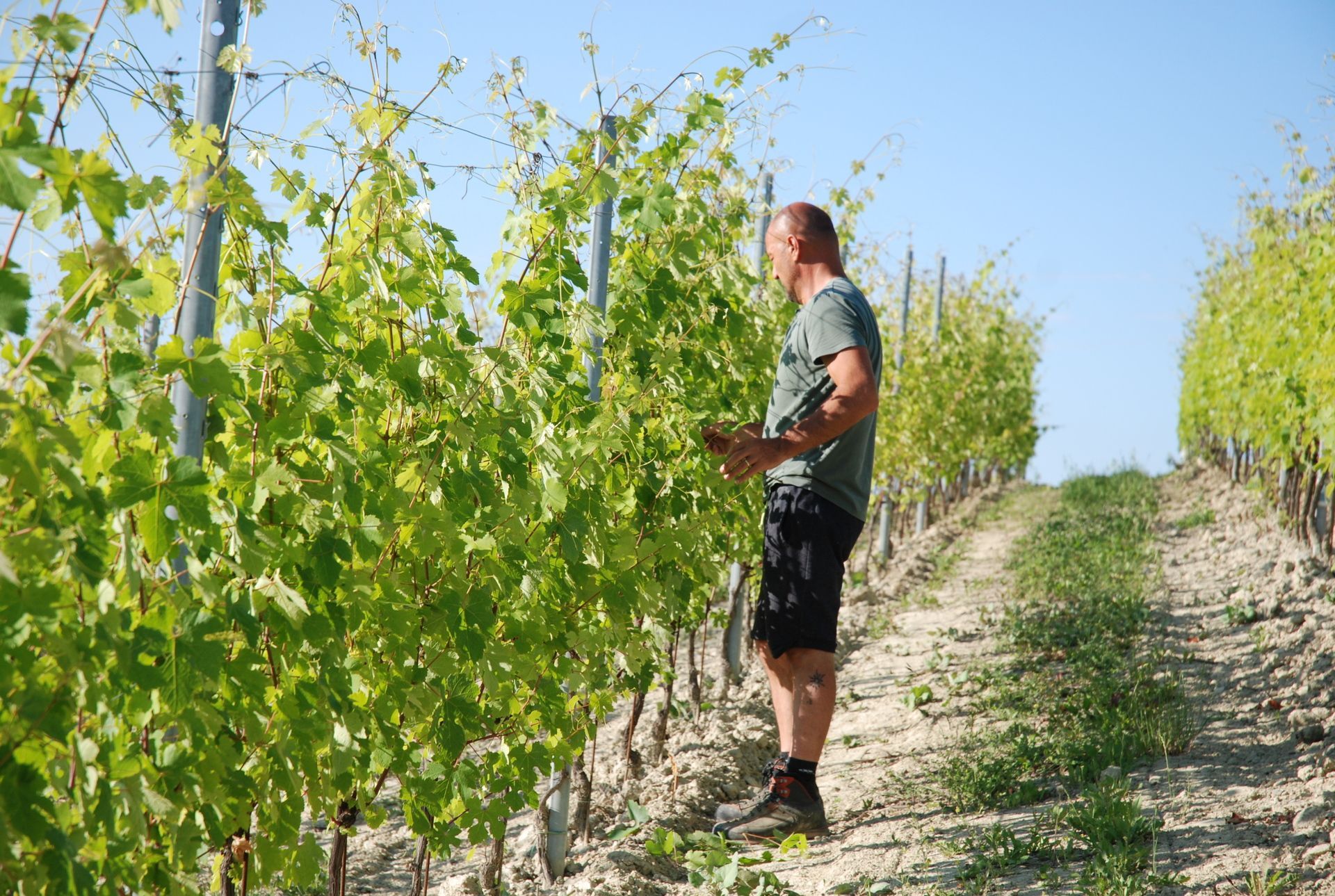
One of the most important aspects of organic farming is observation.
The vines must be monitored throughout the year. We observe vegetative growth, soil conditions, humidity, temperatures, the presence of insects, and the development of diseases.
Decisions cannot be made automatically.
Every vintage is different and requires different responses.
Rain, drought, high temperatures, or sudden changes in temperature can profoundly alter the conditions of the vineyard. For this reason, those who work the land need to know their environment and be able to read the signals that nature provides.
Sustainability also begins here: intervening consciously, avoiding unnecessary treatments, and respecting natural balances as much as possible.
Organic Viticulture in the Langhe
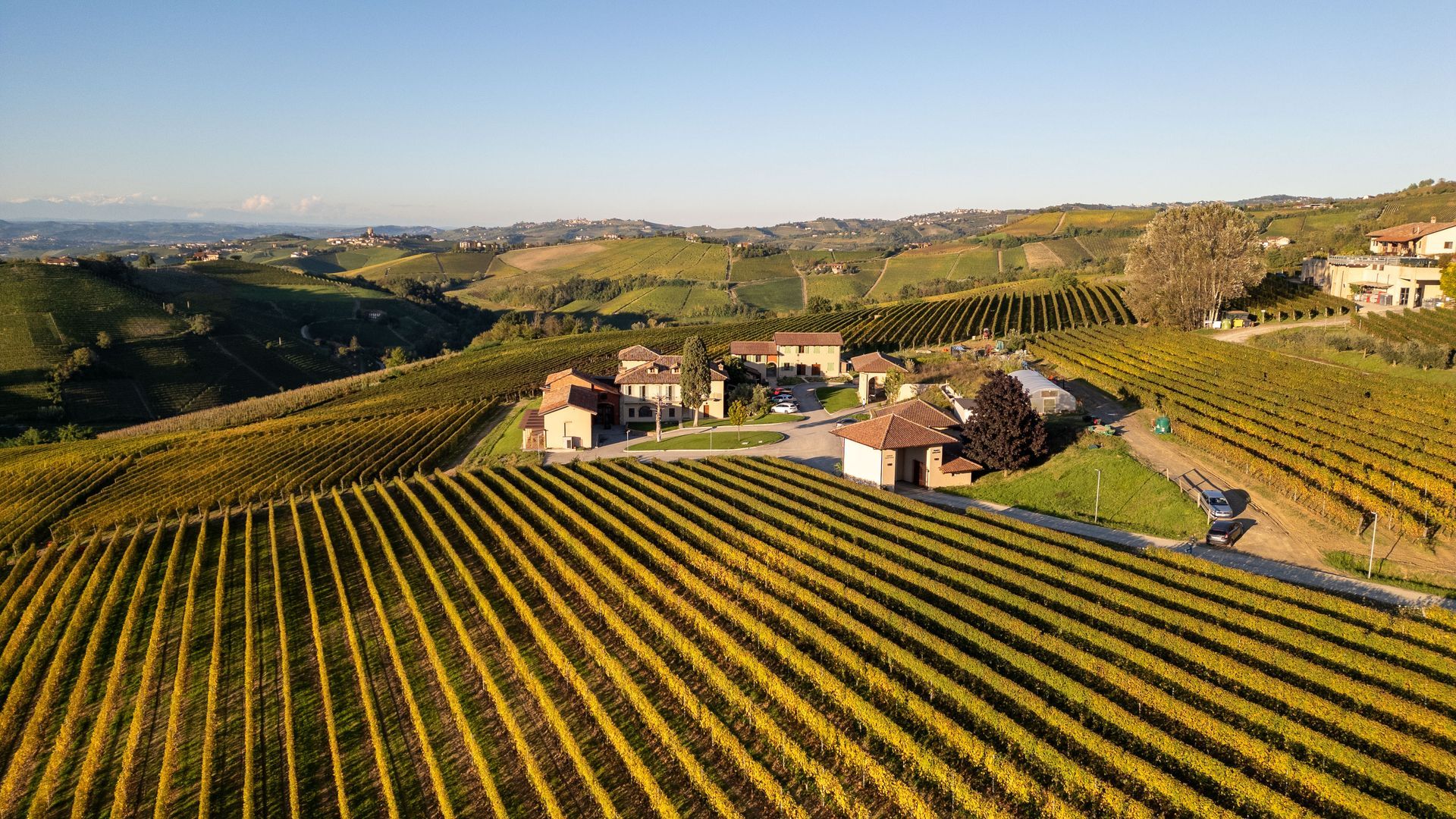
The Langhe are a place where the relationship between people, agriculture, and landscape is particularly evident.
The cultivated hills, woods, vineyards, and small villages form a landscape shaped over centuries by agricultural work.
Here, talking about sustainability also means talking about the protection of the land.
Viticulture is an essential part of the identity of the Langhe, and farming responsibly means helping to preserve this heritage.
Organic farming fits into this vision through greater attention to the soil, natural resources, and the balance of the environment.
It is not simply a matter of leaving nature to take its course.
On the contrary, organic viticulture requires work and constant presence. It means finding a balance between the needs of cultivation and the rhythms of the natural environment.
23 Hectares in Sant’Anna: Our Relationship with the Land
At Podere Gagliassi, this approach takes shape across our 23 hectares of vineyards in Località Sant’Anna, Monforte d’Alba.
Here, organic farming is not an element added to our agricultural activity, but the way we have chosen to work the land.
The position of the vineyards, the characteristics of the soils, and the climatic conditions are all elements that we observe and take into consideration in our daily work.
The soils have calcareous-clay characteristics, with grey silty marls, sand, and Pietra di Langa. The vineyards are located at an altitude of approximately 380 to 480 metres above sea level.
These are characteristics that we do not seek to change, but to understand.
Because knowing a territory also means learning how to work with
respect for its unique characteristics.
Working the Land Without Forcing It
One of the principles that guides sustainable viticulture is the search for balance.
The land cannot be considered an inexhaustible resource. Every agricultural intervention has consequences and should therefore also be evaluated from a long-term perspective.
Working organically means seeking to maintain the vineyard in a state of balance, reducing pressure on the environment and preserving the vitality of the soil.
It is an approach that requires patience.
Sustainability rarely coincides with the quickest solution. Often, it means observing, waiting, and choosing the right moment to intervene.
The Value of Manual Work
Anche il lavoro delle persone ha un ruolo fondamentale.
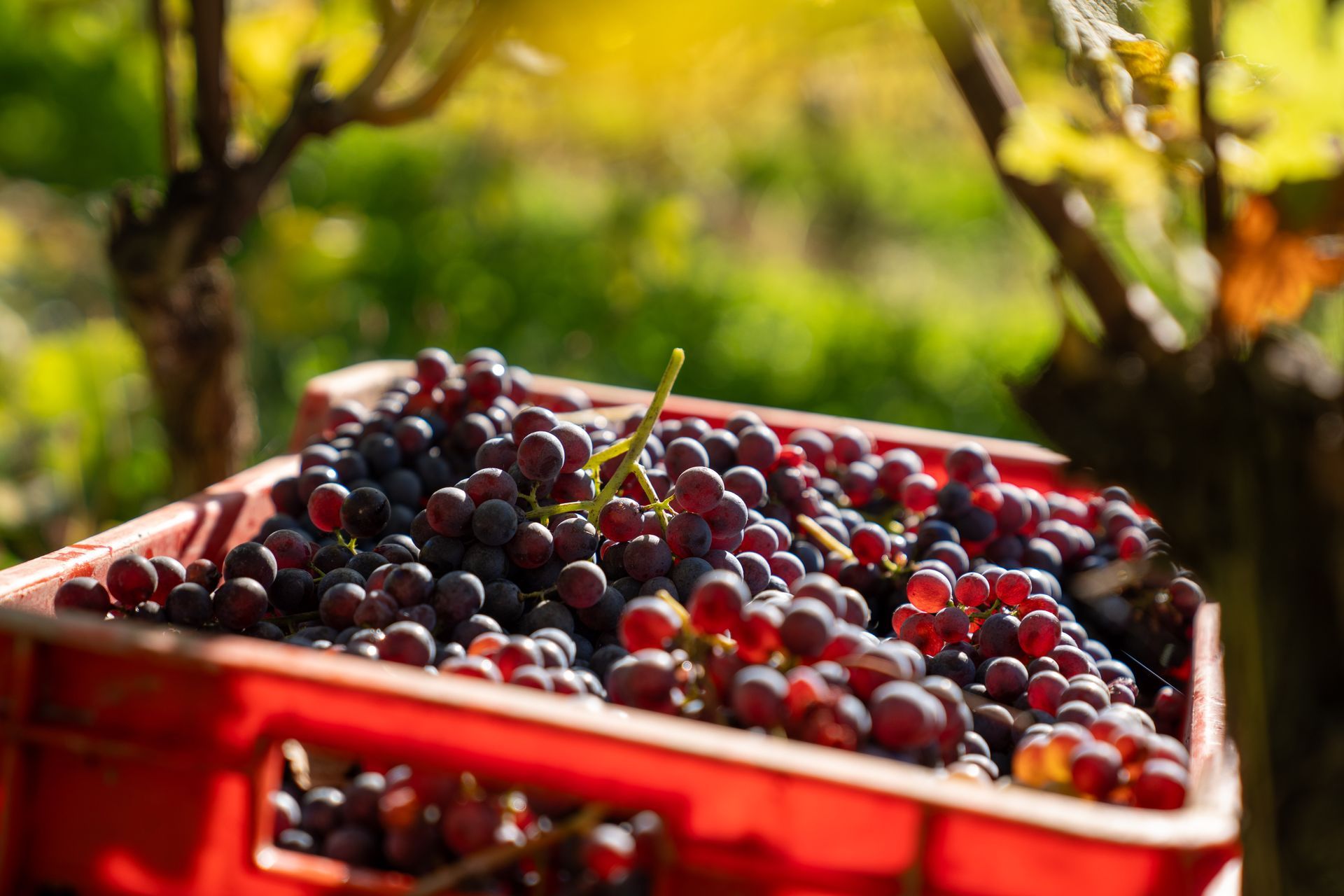
A Podere Gagliassi la vendemmia viene effettuata interamente a mano.
La raccolta manuale permette di entrare fisicamente nel vigneto e osservare da vicino le uve, i grappoli e le condizioni delle piante.
Ma soprattutto rappresenta una continuità con un modo di intendere la viticoltura nel quale il rapporto diretto tra persone e terra rimane centrale.
La sostenibilità non riguarda infatti soltanto l'ambiente.
Riguarda anche il valore del lavoro, la conoscenza agricola e la capacità di trasmettere nel tempo un patrimonio di esperienza.
Organic Does Not Simply Mean “Without”
When talking about organic farming, the discussion is sometimes reduced to the absence of certain products.
But this is only part of the story.
The true meaning of organic viticulture lies in the overall management of the agricultural ecosystem.
It means asking how to maintain soil fertility, how to preserve biodiversity, how to reduce environmental impact, how to use resources responsibly, and how to maintain the land’s productive capacity over time.
It is therefore an approach that requires more knowledge, not less.
A Choice That Looks to the Future
Agricultural sustainability has one fundamental characteristic: it requires us to think beyond the present.
A vineyard can produce for many years. The decisions made today can therefore influence its future.
Taking care of the soil means leaving future generations land that is still alive.
Protecting biodiversity means preserving a richer and more balanced ecosystem.
Reducing the impact of agricultural activities means contributing to the protection of the landscape in which we live and work.
For this reason, organic viticulture should not be considered simply a production technique.
It is an agricultural and cultural choice, based on the idea that production and respect for the environment can, and should, go hand in hand.
Our Approach to Sustainability
A Podere Gagliassi il biologico nasce da un rapporto concreto con la terra.
I nostri 23 ettari a Sant'Anna vengono coltivati osservando le caratteristiche del territorio e seguendo il ritmo delle stagioni.
La certificazione biologica rappresenta un riconoscimento formale di questo percorso, ma il significato della scelta va oltre il marchio.
Per noi significa assumersi la responsabilità di ciò che facciamo ogni giorno nei vigneti.
Significa sapere che la terra non è soltanto il luogo nel quale produciamo, ma è il patrimonio dal quale tutto ha origine.
E prendersene cura significa poter continuare a coltivarla, anno dopo anno, mantenendo vivo il rapporto tra agricoltura, ambiente e territorio.
The Land Comes Before the Wine
Before a harvest, there is a year of work.
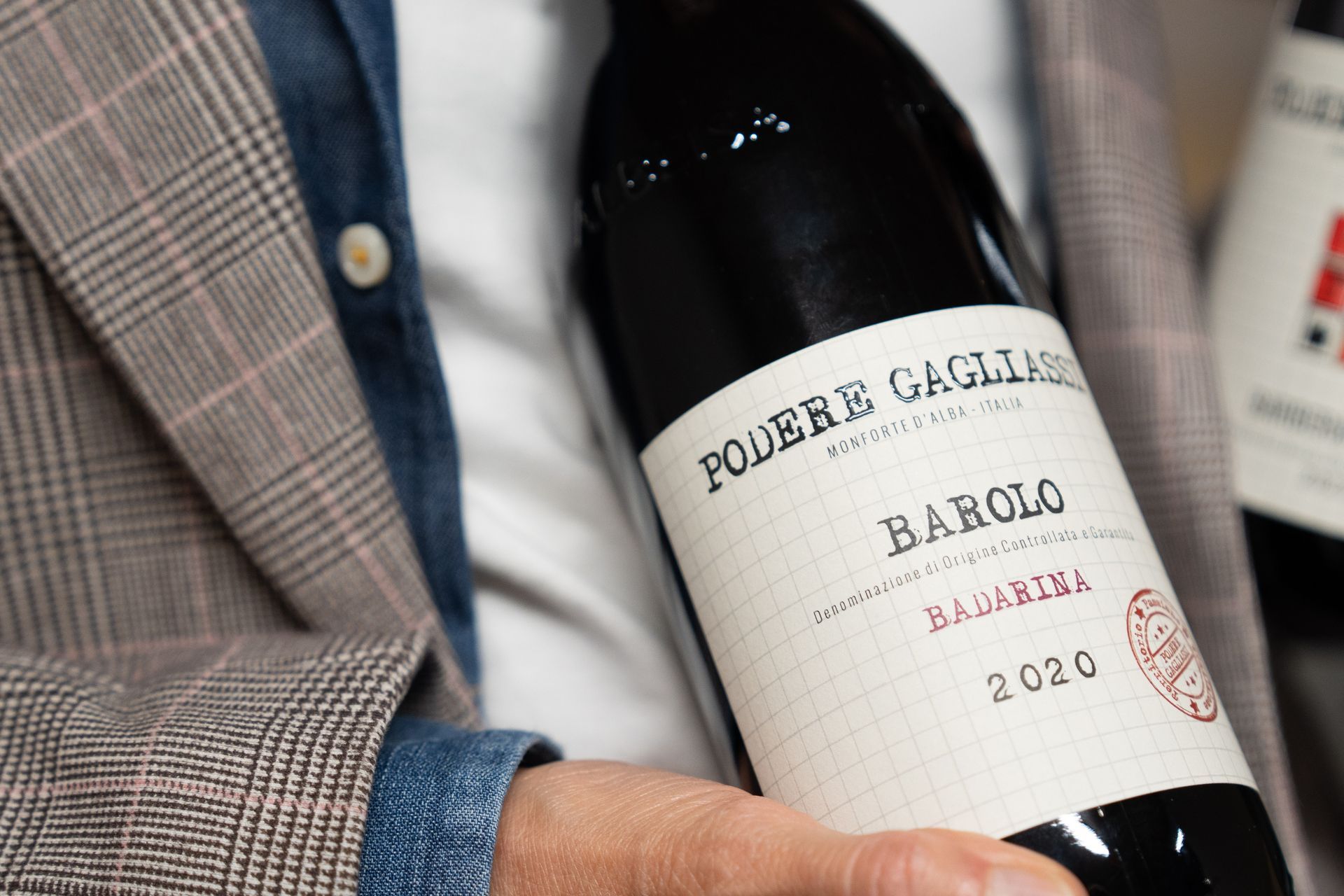
Before a bottle, there is a vineyard.
And before all of this, there is land that must be listened to, understood, and respected.
It is from this awareness that our idea of organic viticulture in the Langhe is born: working the land without forgetting that our role is not simply to collect what it produces today, but to help keep it alive for the future.
FAQ – Organic Viticulture
Does organic viticulture mean producing a more natural wine?
he term “natural” can have different meanings and does not automatically coincide with “organic.” Organic viticulture mainly concerns how the grapes are grown and how the vineyard is managed according to specific rules and agricultural practices.
What is the goal of Podere Gagliassi’s organic viticulture?
Our goal is to cultivate the land responsibly, respecting its characteristics and preserving its vitality over time. For us, sustainability is not merely a certification, but a daily responsibility towards the vineyard and the surrounding area.
Why does each vintage require a different approach?
Because weather conditions change from year to year. Rainfall, temperatures, drought, and humidity can have a profound impact on how the vines behave. Working sustainably means adapting our decisions to the actual conditions of the vineyard.
Is organic viticulture more difficult to practice?
It certainly requires greater attention and keen observation. The vineyard must be carefully monitored throughout the year, and decisions must take into account the climate, the soil, the development of the plants, and the possible presence of diseases or insects.
Does organic viticulture mean not using any treatments?
No. Organic viticulture does not simply mean “not treating” the vineyard. It involves specific regulations and the use of practices and substances permitted under organic farming standards, with the aim of reducing environmental impact and maintaining the balance of the vineyard.
Condividi articolo
Potrebbe interessarti anche: