How to Read an Italian Wine Label: The Podere Gagliassi Guide
How to Read an Italian Wine Label: The Podere Gagliassi Guide
When choosing a bottle of wine, the label is often the first thing we look at. A name, a designation of origin, a vintage, the name of a grape variety: just a few words can tell us a great deal about the wine we are about to bring to the table.
But how do you really read an Italian wine label? And what do acronyms such as DOCG and DOC (PDO Protecting Designation of Origin) actually mean?
Understanding the key information displayed on a bottle makes it easier to navigate your choices and, above all, to understand the relationship between the wine, the grape variety, the territory, and the designation of origin.
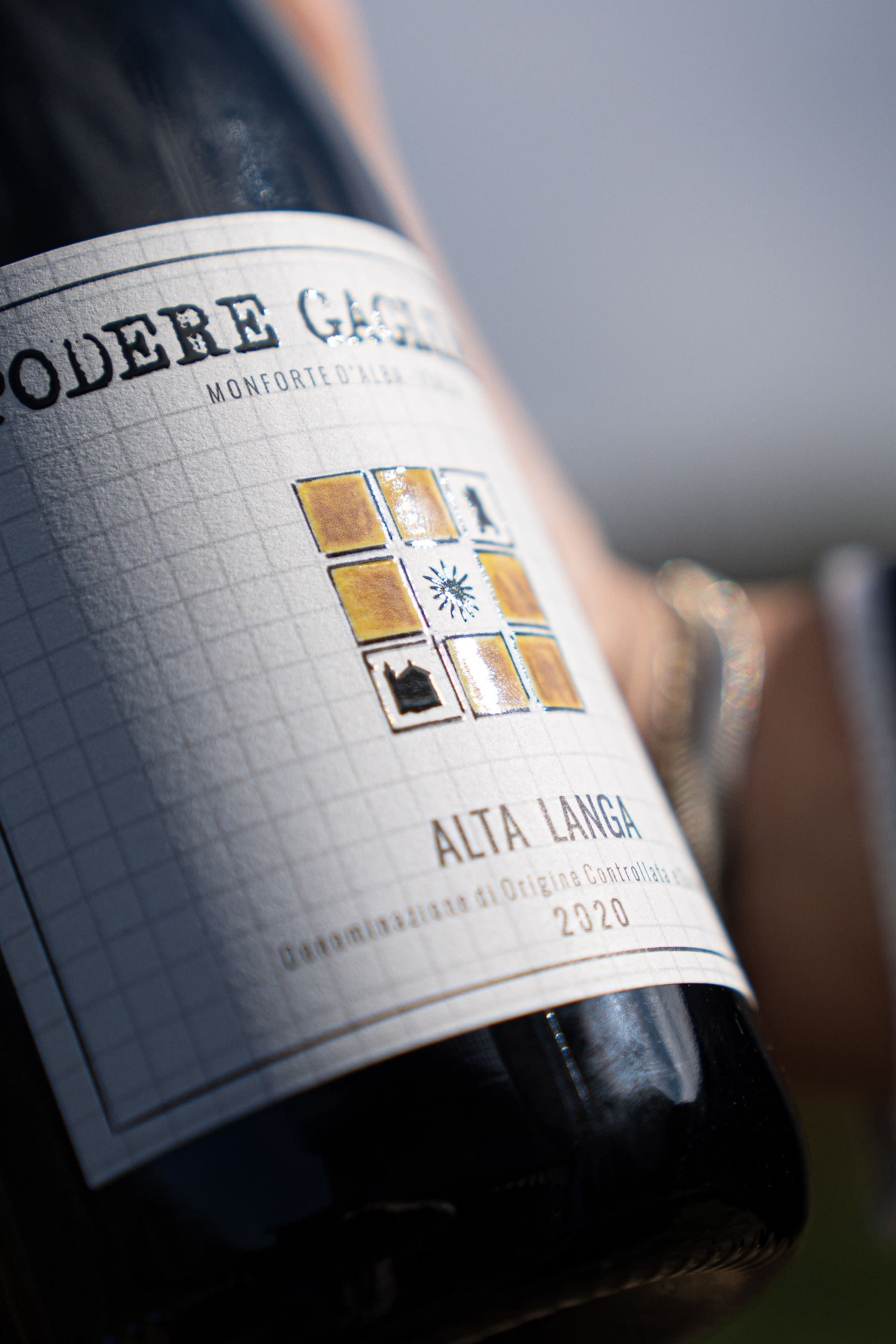
To find out, let’s take a closer look at some of Podere Gagliassi’s wines: from Barolo Classico DOCG to Barolo Cru Badarina DOCG, and from Alta Langa DOCG to Nebbiolo d’Alba DOC.
The Wine Label: Where to Start?
At first glance, a wine label may seem like nothing more than the face of the bottle. In reality, it contains important information that helps identify the wine and understand its origins.
When we pick up a bottle, we can start by looking for:
- the name of the wine
- the designation of origin
- the grape variety, when indicated
- the vintage, if present
- the producer
- the alcohol content
- the bottle volume
- the information provided on the back label.
Not all of this information has the same meaning, and it is not necessarily presented in the same way on every bottle. Learning to distinguish between these details is the first step towards reading a wine label with greater awareness.
DOCG and DOC: What Do They Mean?
Among the designations most commonly found on Italian wine bottles are DOCG and DOC.
These designations identify wines associated with specific territories and production regulations. They do not simply represent a quality ranking; rather, they indicate categories governed by precise rules concerning, among other aspects, the production area, the grape varieties that may be used, and the methods by which the wine is produced.
Barolo DOCG: When the Territory Becomes a Designation of Origin
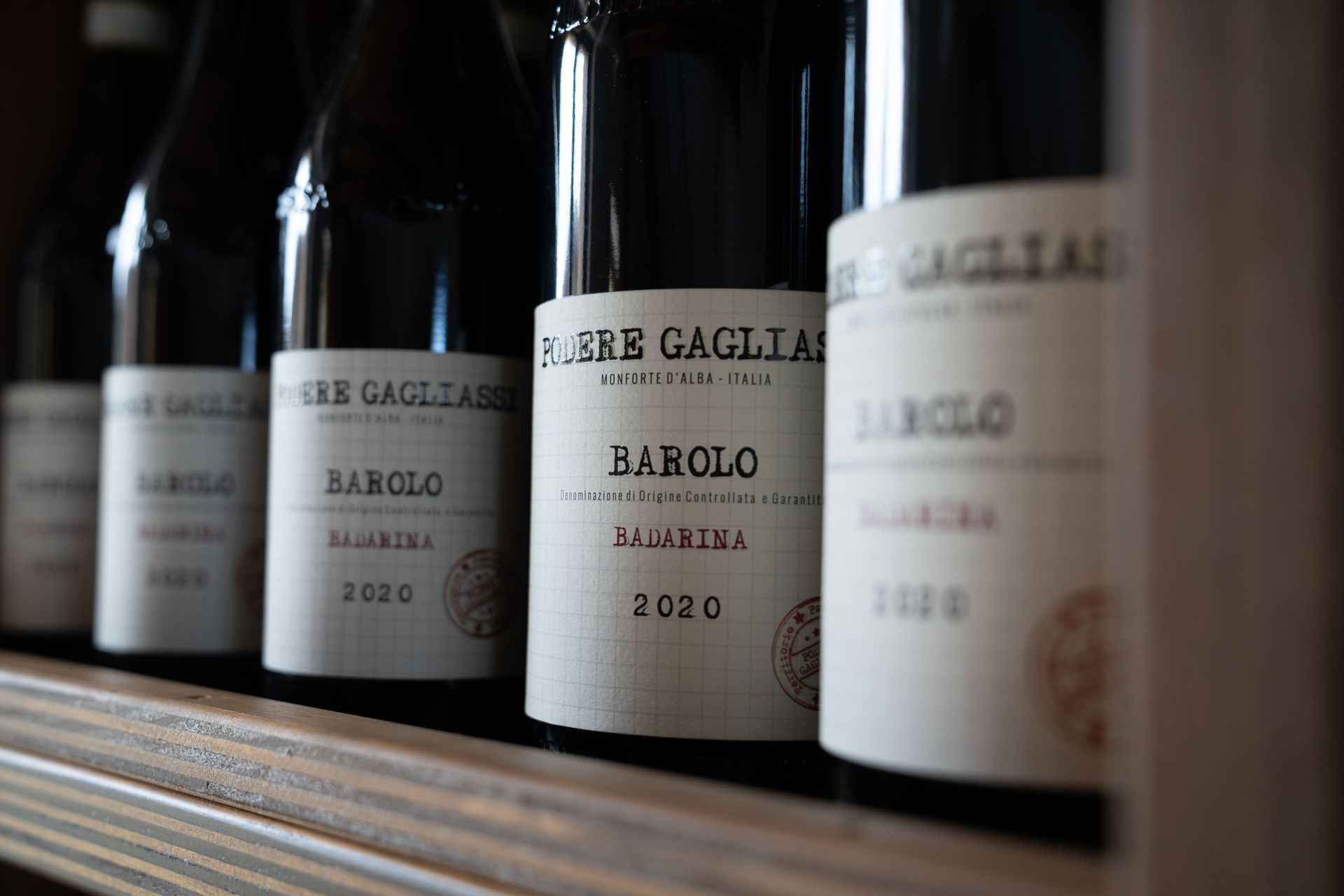
Let’s take Podere Gagliassi’s Barolo Classico DOCG as an example.
The word “Barolo” does not simply indicate the name of the wine: it identifies a designation of origin that is closely linked to a specific territory and to precise production regulations.
The label therefore already provides us with a key piece of information: we are looking at a wine that belongs to the Barolo DOCG designation.
The same applies to Barolo Cru Badarina DOCG. In this case, in addition to the Barolo DOCG designation, the name “Badarina” provides an even more specific indication of the origin of the grapes and the identity of the cru.
This is where the label begins to tell a more detailed story: not only which wine we are buying, but also its connection to a specific place of origin.
The Grape Variety: Which Grapes Are in the Bottle?
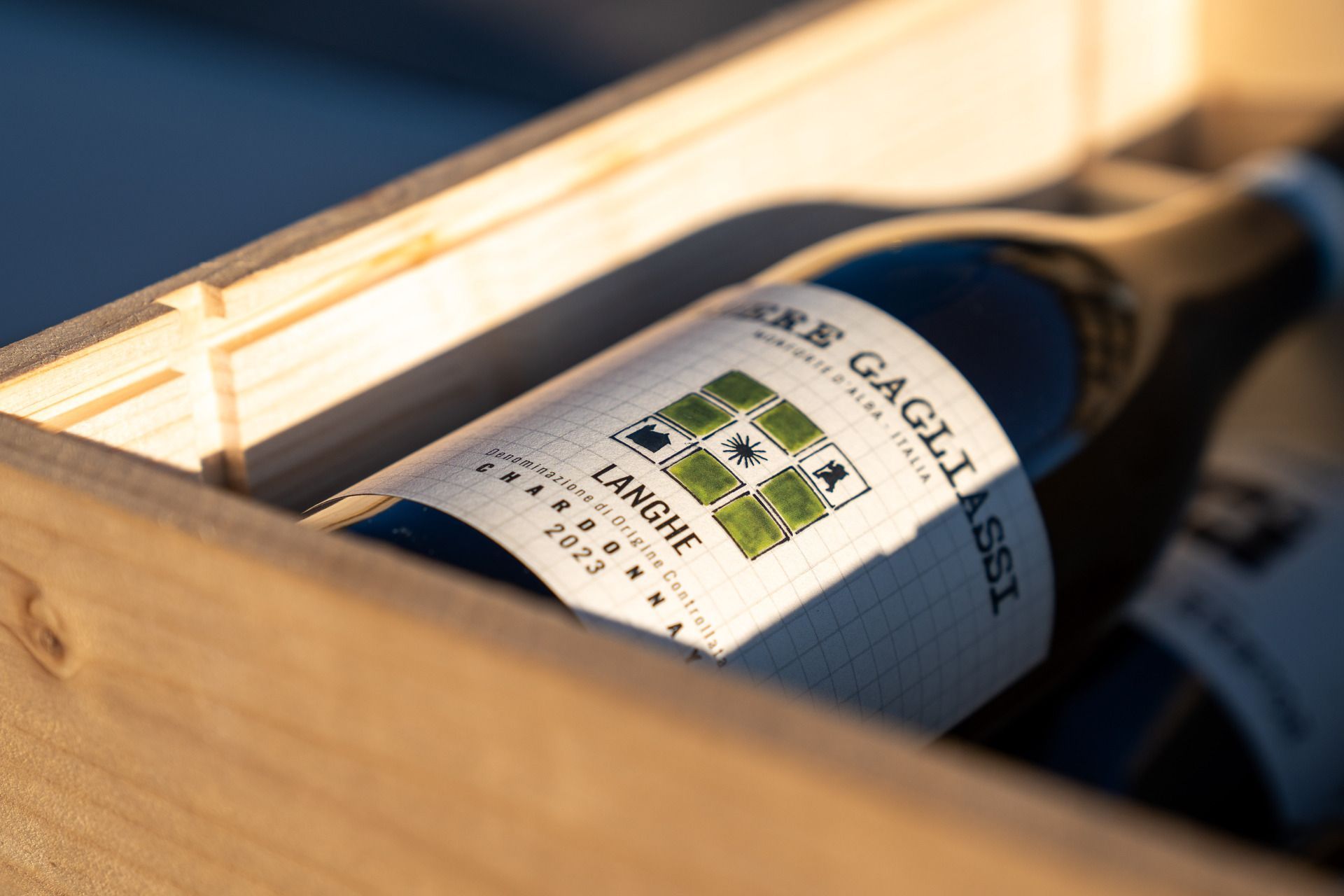
Another important piece of information is the grape variety, meaning the type of grape used to produce the wine.
In the case of Barolo, for example, the grape variety is Nebbiolo. Its presence is an integral part of the identity of the designation.
The same Nebbiolo grape can, however, give rise to very different wines, depending on the territory, the conditions of the vintage, and the choices made by the producer.
A good example is Podere Gagliassi’s Nebbiolo d’Alba DOC.
The name itself already tells us two important things: the grape variety, Nebbiolo, and the territory of reference, Alba.
This helps us understand one of the most fascinating characteristics of Italian wine:
the same grape variety can express itself in very different ways depending on where it is grown and the winemaking process it undergoes.
The Name of the Designation Is Not Always the Name of the Grape Variety
It is important not to confuse the designation of origin with the grape variety.
The name we see on a wine bottle may refer to a territory, a designation of origin, or a grape variety.
In the case of Barolo, for example, the bottle reads “Barolo DOCG”, while the grape variety associated with the wine is Nebbiolo.
With Nebbiolo d’Alba DOC, on the other hand, the name immediately highlights the connection between the grape variety and the geographical area.
Knowing how to distinguish between these two elements makes it easier to understand what we are reading on the label.
The EU Organic Logo: The “Green Leaf” on the Label
Among the symbols you may find on a wine bottle is the characteristic green leaf made up of European Union stars: the EU Organic Logo.
This symbol identifies organic products certified in accordance with European regulations. Its presence on the label indicates that the product has been made in compliance with the requirements for organic production and the relevant control and certification system.
How Is Organic Certification Obtained?
Organic certification is not simply a voluntary decision by a company to adopt certain agricultural practices.
In order to use claims relating to organic production, a company must follow a specific control and certification process and comply with the requirements established by European legislation.
Compliance with these rules is verified through the control bodies established within the certification system. The process includes inspections and checks designed to ensure that the activities comply with the requirements governing organic production.
Podere Gagliassi’s Organic Certification
Podere Gagliassi is certified for organic production.
For this reason, the European green leaf that can be found on our bottles represents a tangible part of the winery’s production process.
It is one more piece of information that can be found on the label: DOCG, DOC, grape variety, vintage, and producer each tell us something different about the bottle, while the organic logo communicates compliance with the specific European rules governing organic production.
Where Can You Find the Organic Logo?
The EU Organic Logo may appear on the labels of certified organic products and is accompanied by the information required by European regulations, including the code of the control body and an indication of the origin of the agricultural raw materials, according to the prescribed requirements.
So, the next time you look at a bottle, remember to look for that small green leaf with the stars: it can provide an additional insight into the wine’s production process.
The Vintage: Wine Changes with the Seasons
When present, the vintage indicates the year in which the grapes were harvested.
It is a particularly interesting piece of information because each growing season is characterized by different weather conditions, which can influence grape ripening and, consequently, the characteristics of the wine.
Comparing different vintages of the same wine can therefore be an interesting way to observe how the wine reflects the changing conditions of each season.
However, the vintage should not be considered on its own: to understand its significance, it needs to be viewed in the context of the wine, the territory, and the producer’s choices.
Barolo Classico and Barolo Cru: What Does the Label Tell Us?
The comparison between Podere Gagliassi’s Barolo Classico DOCG and Barolo Cru Badarina DOCG is a particularly useful example of how important it can be to pay attention to every word on the label.
Both bottles belong to the Barolo DOCG designation, but the reference to the Badarina Cru introduces an additional level of specificity.
In the world of wine, the term “Cru” is used to indicate a particular vineyard plot or production area recognized for its distinctive characteristics.
The label can therefore become a true map: it allows us to move from the broader name of the designation to a specific expression of the territory.
Alta Langa DOCG: When the Label Also Tells Us About the Method
After looking at the front of the bottle, it is always worth turning it around.
The back label can provide useful information to complement what we see on the front: details about the producer, the wine’s characteristics, information required by law and, depending on the wine and its labelling, additional details that may be useful to the consumer.
It is often the part of the bottle that deserves a closer look.
The front label catches our attention; the back label, on the other hand, can help us better understand and appreciate what we have chosen
The back label: where the story continues
After looking at the front label, it is always worth turning the bottle around.
The back label can contain useful information to complete what we have seen on the front: details about the producer, product characteristics, information required by law and, depending on the wine and its labelling, additional elements that may be useful to the consumer.
It is often the part of the bottle that deserves a closer look.
The front label catches our attention; the back label, on the other hand, can help us get to know our choice better
Alcohol content and bottle size
Among the most immediate pieces of information, we find the alcohol by volume, expressed as a percentage.
This indicates the amount of alcohol present in the wine.
Next to it, we normally also find the bottle size, for example 0.75 L.
These are simple details, but they are particularly useful when comparing different wines or choosing a bottle for a specific occasion.
How to Read a Wine Label: Our Simple Method
The Next Time You Have an Italian Wine Bottle in Front of You, Follow These Simple Steps
- Look at the name.
Understand whether it identifies the wine, the appellation, or a name chosen by the producer. - Look for the appellation.
DOCG and DOC can help you understand the relationship between the wine and its territory. - Identify the grape variety.
When indicated, it offers a first clue to understanding the wine’s identity. - Check the vintage.
It tells you which harvest the grapes come from. - Look for the organic symbol.
If present, the green leaf with stars indicates organic certification according to European rules. - Read the producer’s name.
Behind every bottle there is a winery, with its own work and choices. - Turn the bottle around.
The back label completes the information and may reveal some interesting details.
From the Label to the Glass
Learning to read a wine label does not mean trying to predict exactly how a wine will taste before you have tasted it.
Rather, it means learning to put it into context.
Knowing that we are choosing a Barolo DOCG, for example, tells us something about its appellation. Knowing that it is a Barolo Cru Badarina gives us a more specific reference to its origin. Reading Nebbiolo d'Alba DOC, on the other hand, leads us toward a different interpretation of the same great Piedmontese grape variety.
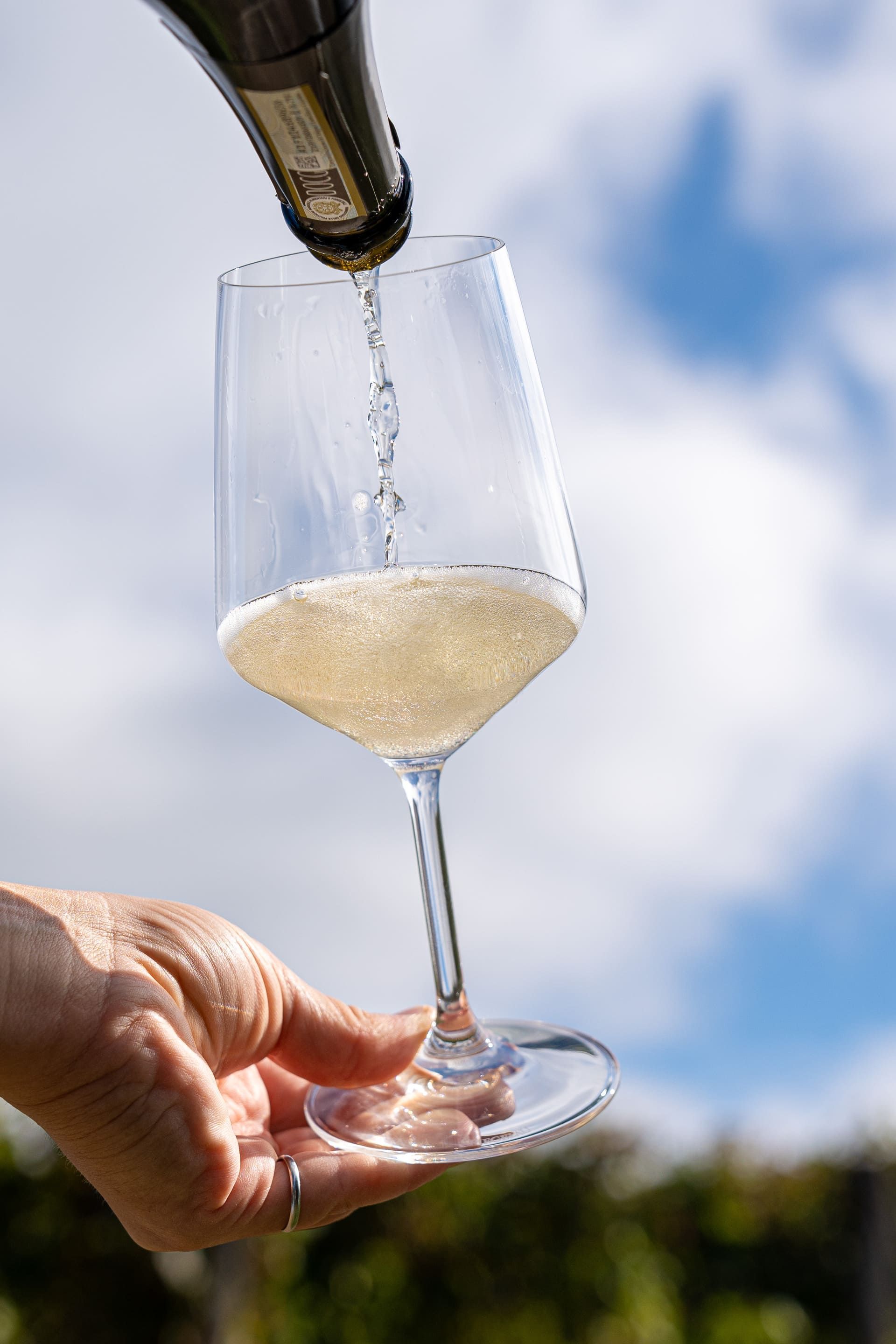
And when we come across an Alta Langa DOCG, the label introduces us to a different expression of the region's winemaking tradition.
If we also find the European organic logo on the bottle, we can add another piece of information to our reading journey: its organic certification.
These are details that become even more meaningful when we move from reading the label to tasting the wine.
Every Bottle Has a Story to Tell
A label is more than just a graphic element. It is the first chapter in a wine’s story.
It tells us about the land, the appellation, the grape variety, the vintage, the producer and the winemaking method, giving us the tools to approach the bottle with greater curiosity.
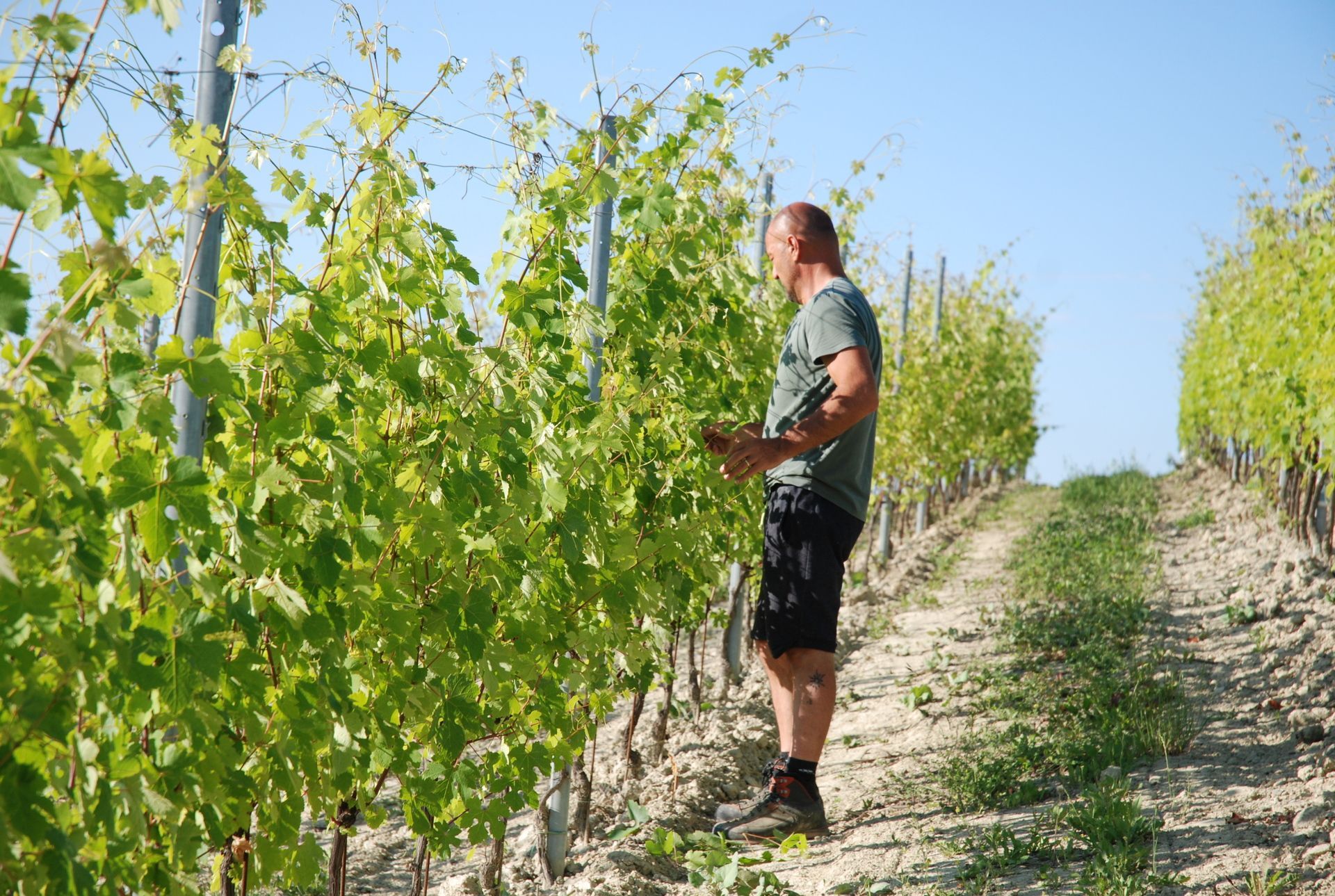
At Podere Gagliassi, we believe that getting to know a wine also means discovering what lies behind it: the land, the vineyards, the people and the work that goes into every harvest.
So, the next time you choose a bottle, take a few extra moments to read the label.
You may discover that, even before you uncork the wine,
the bottle has already begun to tell you its story.
FAQ – How to Read an Italian Wine Label
Can Reading the Label Tell You if a Wine Is Good?
A label provides a great deal of information about a wine, but it cannot fully convey the tasting experience. The appellation, grape variety, vintage, producer and winemaking method help put the wine into context, while tasting allows you to experience its aromas, structure, balance and distinctive characteristics firsthand.
What Does “Bottled at the Source” Mean?
This indication means that the wine was bottled at the place or by the winery indicated on the label, in accordance with the conditions established by law. It is a piece of information that can help you better understand the wine’s journey from production to bottle.
Why Is It Important to Read the Back Label Too?
Because the back of the bottle may contain information that complements what is shown on the front label. Reading both labels gives us a more complete picture of the wine we are buying.
Does the European Organic Logo Guarantee That the Wine Is Produced Without Treatments?
The European organic logo indicates that the product is certified according to European rules on organic production. It does not simply mean “produced without treatments”: organic production follows specific rules and allows certain substances, as well as requiring a system of controls and certification.
What Does “Riserva” Mean on a Wine Label?
“Riserva” is a designation provided for certain appellations and may be used when a wine meets specific requirements established by the relevant regulations, generally relating to the length and methods of ageing. It is therefore not simply a commercial term freely chosen by the producer.
Condividi articolo
Potrebbe interessarti anche: