Pairing Barbera d’Alba: 5 Traditional Piedmontese Dishes (and More)
Pairing Barbera d’Alba: 5 Traditional Piedmontese Dishes (and More)
Fresh, crisp, aromatic, and able to complement a wide variety of dishes, Barbera d’Alba is one of Piedmont’s most versatile wines when it comes to food pairings. But which dishes truly bring out its distinctive characteristics?
From stuffed pasta to traditional main courses, as well as cheeses and boldly flavored recipes, there are countless ways to enjoy Barbera d’Alba at the table.
In this article, we explore 5 food pairings with Barbera d’Alba, starting with Piedmontese cuisine and extending to dishes that go beyond the region’s culinary borders.
Why Is Barbera d’Alba Such a Versatile Wine?
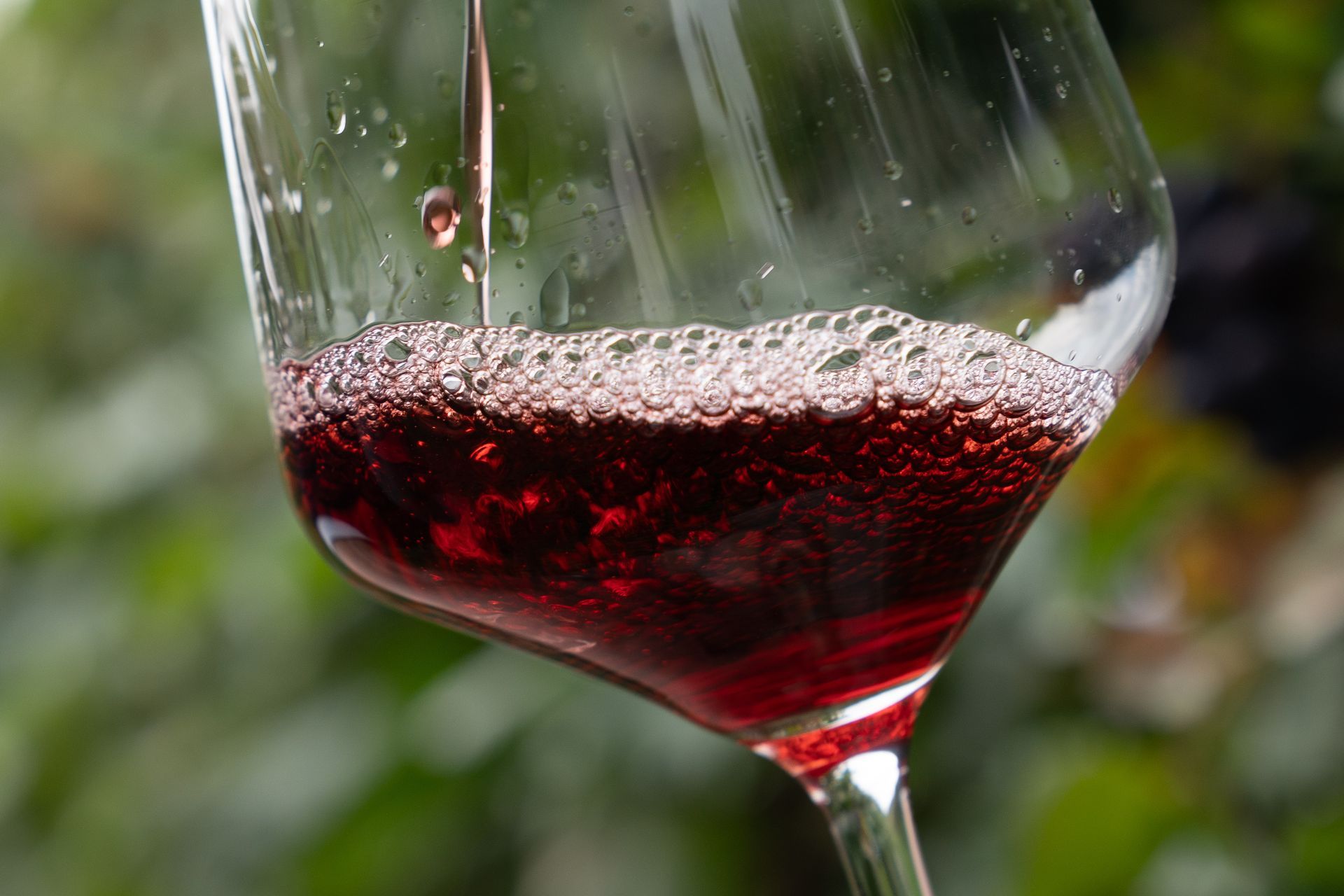
Barbera d’Alba DOC originates in the Langhe and Roero areas, in the province of Cuneo. The regulations require Barbera to account for between 85% and 100% of the blend, with a possible contribution of Nebbiolo of up to 15%. From an organoleptic perspective, it is characterized by a ruby-red color, fruity aromas, and a dry, savory, well-balanced palate.
These very characteristics make it particularly well suited to food pairing. Its freshness and structure allow it to complement flavorful dishes, first courses with rich, substantial sauces, and various types of meat. Piedmontese regional guidelines also recommend pairing it with warm appetizers, first courses, and both white and red meats.
So, let’s take a look at five dishes worth trying.
1. Agnolotti del Plin with Roast Meat Sauce
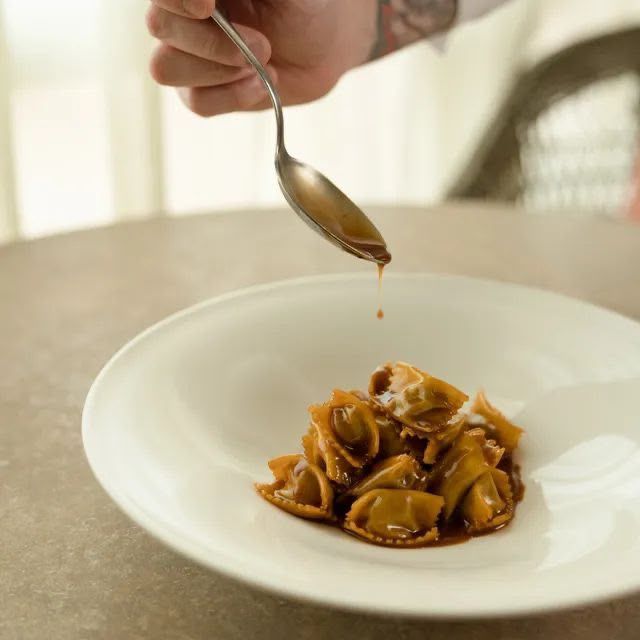
If there is one dish that truly embodies Piedmontese tradition, it is agnolotti del plin.
This stuffed pasta, generally filled with meat, is often served with a rich and intensely flavored roast meat sauce. It is precisely this savory character that creates an interesting pairing with Barbera d’Alba.
The wine’s freshness balances the rich, structured character of the dish, while its intensity holds its own against the filling and sauce.
Pairing: Barbera d’Alba + agnolotti del plin with roast meat sauce.
This combination is particularly well suited to a Sunday lunch or to a table celebrating the great classics of Piedmontese cuisine.
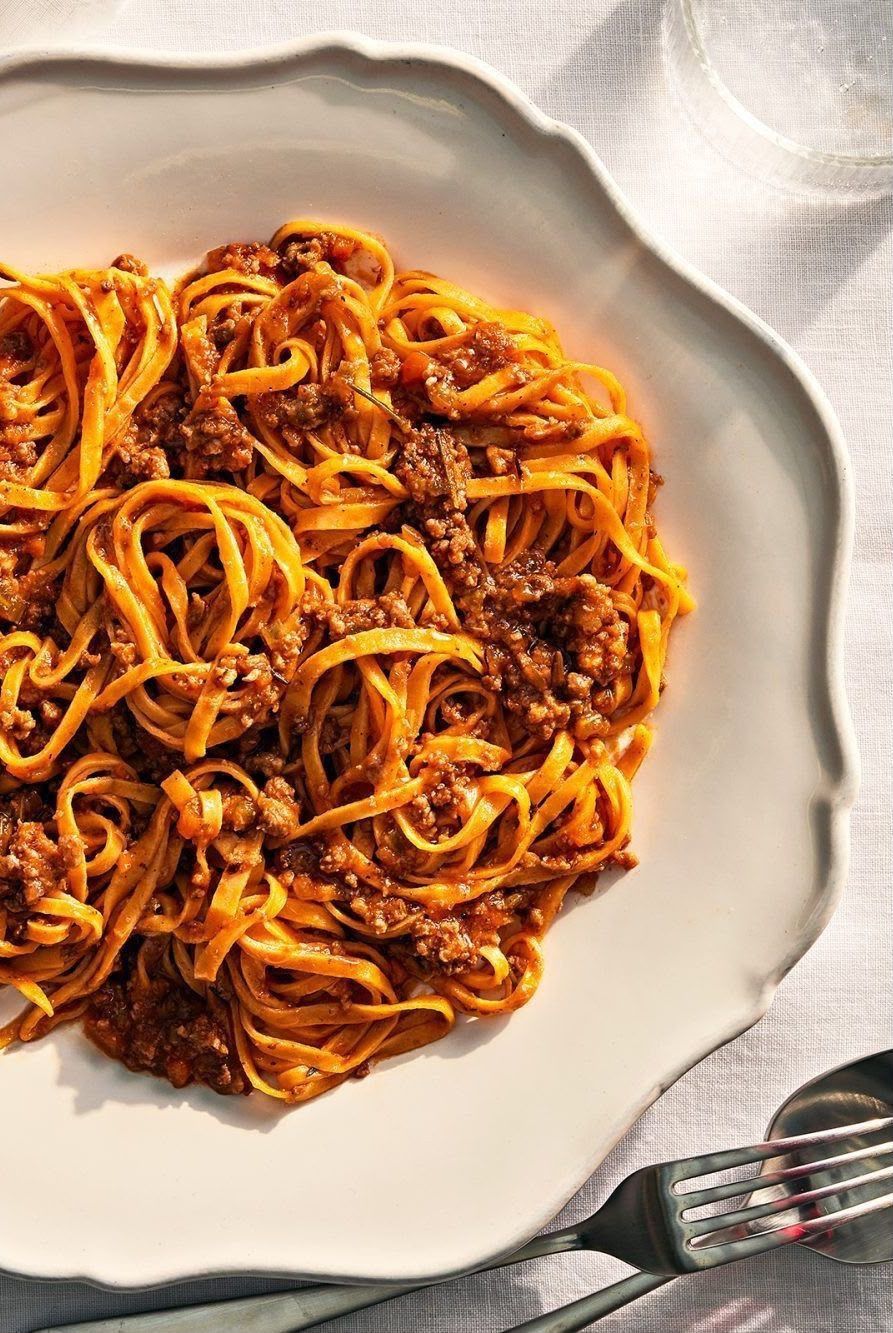
2.Tajarin with ragù
Thin and delicate, yet perfectly suited to rich, flavorful sauces, tajarin are another great staple of Piedmontese cuisine.
When served with a meat ragù, the dish gains greater intensity and becomes a natural partner for a red wine such as Barbera d’Alba. The denomination’s food-pairing guidelines include flavorful first courses and, among traditional options, pasta dishes served with rich sauces.
The result is a well-balanced pairing in which the wine complements each bite without overpowering its aromas.
Pairing: Barbera d’Alba + tajarin with ragù.
For an even stronger connection to the local territory, you can opt for a ragù made with Piedmontese meats.
3. Piedmontese Mixed Boiled Meats
Bollito misto is one of the signature dishes of Piedmontese cuisine and an ideal pairing for those looking for a more substantial dish.
The variety of meats and the traditional accompanying sauces make this a complex dish, rich in different nuances. Barbera d’Alba fits naturally into this context thanks to its structure, freshness, and savory character.
The denomination’s food-pairing guidelines also include boiled white and red meats, as well as roasts, braised dishes, and stews.
Pairing: Barbera d’Alba + Piedmontese mixed boiled meats.
It is a particularly interesting choice when the wine is served alongside a traditional and hearty meal.
4. Braised Beef or Roast Beef
Let’s stay in the realm of great Piedmontese main courses, with braised beef and roast beef.
Here, the character of the dish calls for a wine capable of standing up to intense flavours and long cooking times. A more structured Barbera d’Alba can pair particularly well with these preparations, especially when the wine offers greater complexity resulting from ageing.
Sources dedicated to the appellation indeed list roasts, braised beef, beef stews and slow-cooked dishes among the possible pairings.
Pairing: Barbera d’Alba + braised beef.
For a particularly authentic expression of the region, braised beef can also be an opportunity to showcase the culinary traditions of the Langhe, creating a true dialogue between wine, terroir and cuisine.
5. Medium-aged Piedmontese cheeses
Not just first and main courses: Barbera d’Alba can also be enjoyed with a selection of cheeses.
In particular, medium-aged Piedmontese cheeses are an interesting choice for an aperitivo or as the final course of a meal. The cheese’s savouriness and structure complement the characteristics of the wine, creating a simple yet versatile pairing.
Regional pairing recommendations also include medium-aged cheeses from the Langhe.
Pairing: Barbera d’Alba + medium-aged Piedmontese cheeses.
A selection of toma and other local cheeses, served with bread and a few traditional local cured meats, can thus become the perfect all-Piedmontese aperitivo.
And beyond Piedmont? Barbera d’Alba goes beyond regional tradition.
The versatility of Barbera d’Alba allows it to go beyond strictly Piedmontese pairings.
The principle to follow is simple: choose dishes with good aromatic intensity, a savoury character, or enough structure to engage with that of the wine.
This is why it can be interesting to experiment with it alongside roasted or grilled meats, cured meats, pasta dishes with ragù, and medium-aged cheeses. Several sources dedicated to the appellation confirm its affinity with flavourful pasta dishes, meats and cheeses.
However, wine pairing should not become a rigid rule: even within the same appellation, wines can display different characteristics depending on the territory, vintage, winemaking techniques and ageing.
How should Barbera d’Alba be served?
Serving temperature also plays an important role in the success of a food and wine pairing.
Barbera d’Alba is commonly served at around 16–18 °C, although the ideal temperature may vary depending on the style of the wine.
Serving it too warm can make the alcohol more noticeable, while serving it too cold may diminish its aromas and structure.
The best approach, therefore, is always to consider the specific characteristics of the bottle you have chosen and the type of dish it will be served with.
Barbera d’Alba and Piedmontese Cuisine: A Pairing That Tells the Story of the Region
Agnolotti del plin, tajarin, bollito misto, braised beef and cheeses: five examples that show just how natural the relationship between Barbera d’Alba and Piedmontese cuisine can be.
The secret lies not only in the structure of the wine, but also in its ability to create balance with dishes defined by savouriness, intensity and richness.
It is precisely this versatility that makes Barbera d’Alba an ideal presence at the table: a wine deeply rooted in Piedmont, yet versatile enough to accompany culinary interpretations that go beyond regional tradition.
So, the next time you’re preparing a Piedmontese dish, start with a simple question: which Barbera d’Alba will bring out the best in it?
FAQ Barbera d’Alba and pairing
La Barbera d’Alba si abbina bene alla carne?
Yes. Its freshness, savoury character and good structure make it well suited to a variety of meat-based dishes, from boiled and poached meats to roasts, braised dishes, stews and slow-cooked preparations.
Which Cheeses Pair Well with Barbera d’Alba?
Sono particolarmente indicati i formaggi piemontesi e delle Langhe di media stagionatura. Possono essere serviti anche all’interno di un tagliere con pane e prodotti della salumeria locale.
La Barbera d’Alba si abbina solo alla cucina piemontese?
No. La sua versatilità permette di abbinarla anche a piatti al di fuori della tradizione piemontese, come carni arrosto o alla griglia, salumi, primi piatti con ragù e formaggi di media stagionatura.
A quale temperatura si serve la Barbera d’Alba?
La Barbera d’Alba viene comunemente servita intorno ai 16-18 °C. La temperatura ideale può comunque variare in base allo stile del vino e alle caratteristiche della singola bottiglia.
Qual è il segreto per abbinare la Barbera d’Alba a tavola?
Non esiste una regola unica. È utile considerare l’intensità aromatica, la sapidità e la struttura del piatto e confrontarle con quelle del vino. Anche annata, territorio, vinificazione e affinamento possono influenzare le caratteristiche della Barbera d’Alba e quindi l’abbinamento più adatto.
Condividi articolo
Potrebbe interessarti anche: