How Climate Influences Grape Ripening
How Climate Influences Grape Ripening
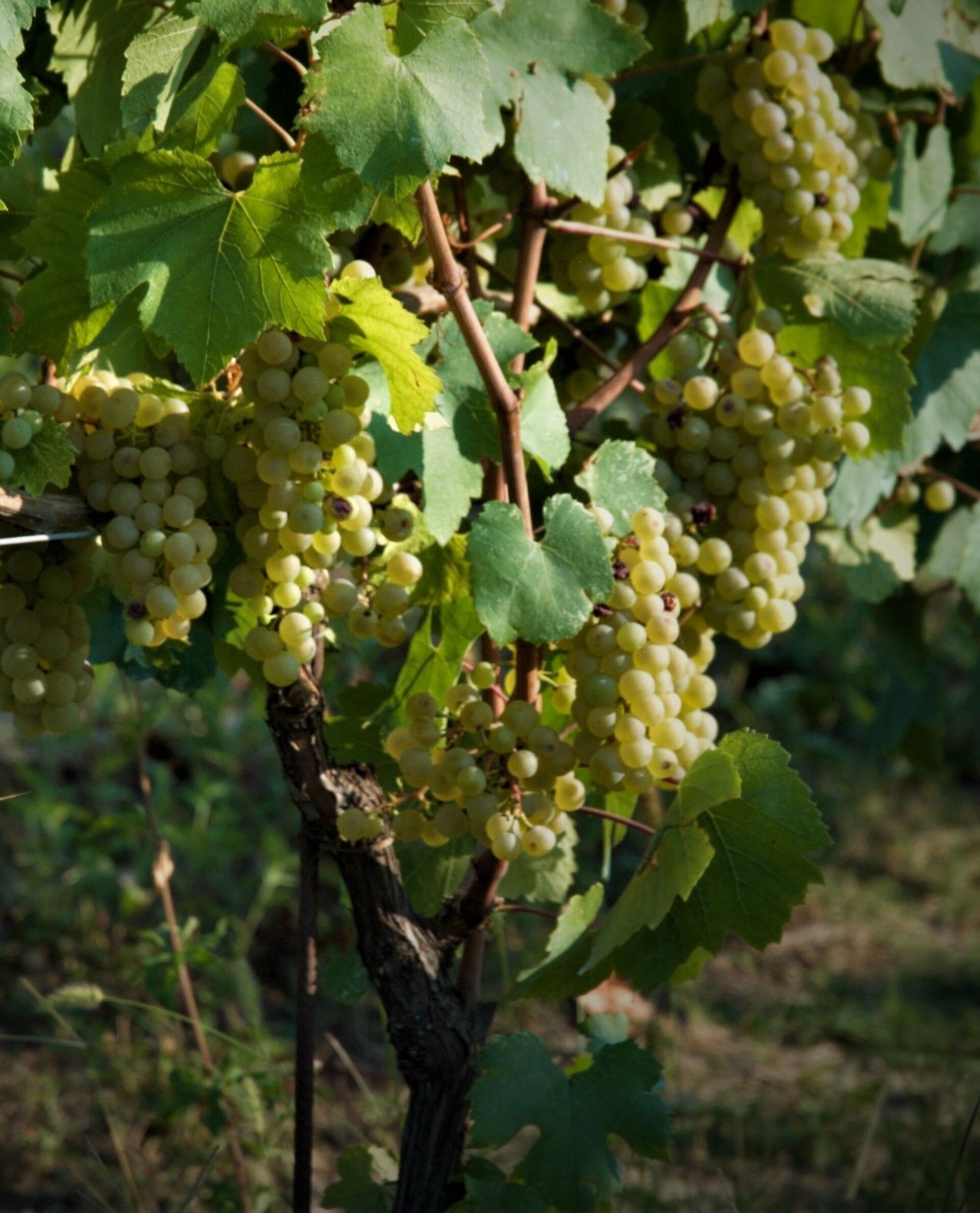
Climate is one of the key factors determining grape ripening and shaping the characteristics of wine.
Temperature, rainfall, sun exposure, and humidity influence vine development, sugar accumulation, the evolution of acidity, and the formation of aromatic compounds.
Understanding the relationship between climate and ripening provides valuable insight into vineyard management and the decisions that shape each harvest. Every vintage, in fact, presents different environmental conditions, requiring attention and adaptability on the part of the winegrower.
Temperature and Grape Development
Temperature influences all the main stages of the vine’s vegetative cycle, from budburst to flowering and through to grape ripening.
Suitable temperatures promote the plant’s physiological processes and sugar accumulation in the berries. Excessive heat, however, can accelerate ripening and lead to imbalances between sugar levels, acidity, and aromatic development.
High temperatures can also increase water loss through evapotranspiration and, in the presence of drought, expose the vine to water stress.
The outcome depends on the duration and intensity of the heat, water availability, grape variety, and the specific characteristics of the vineyard.
Sunlight and Light: Energy for Ripening
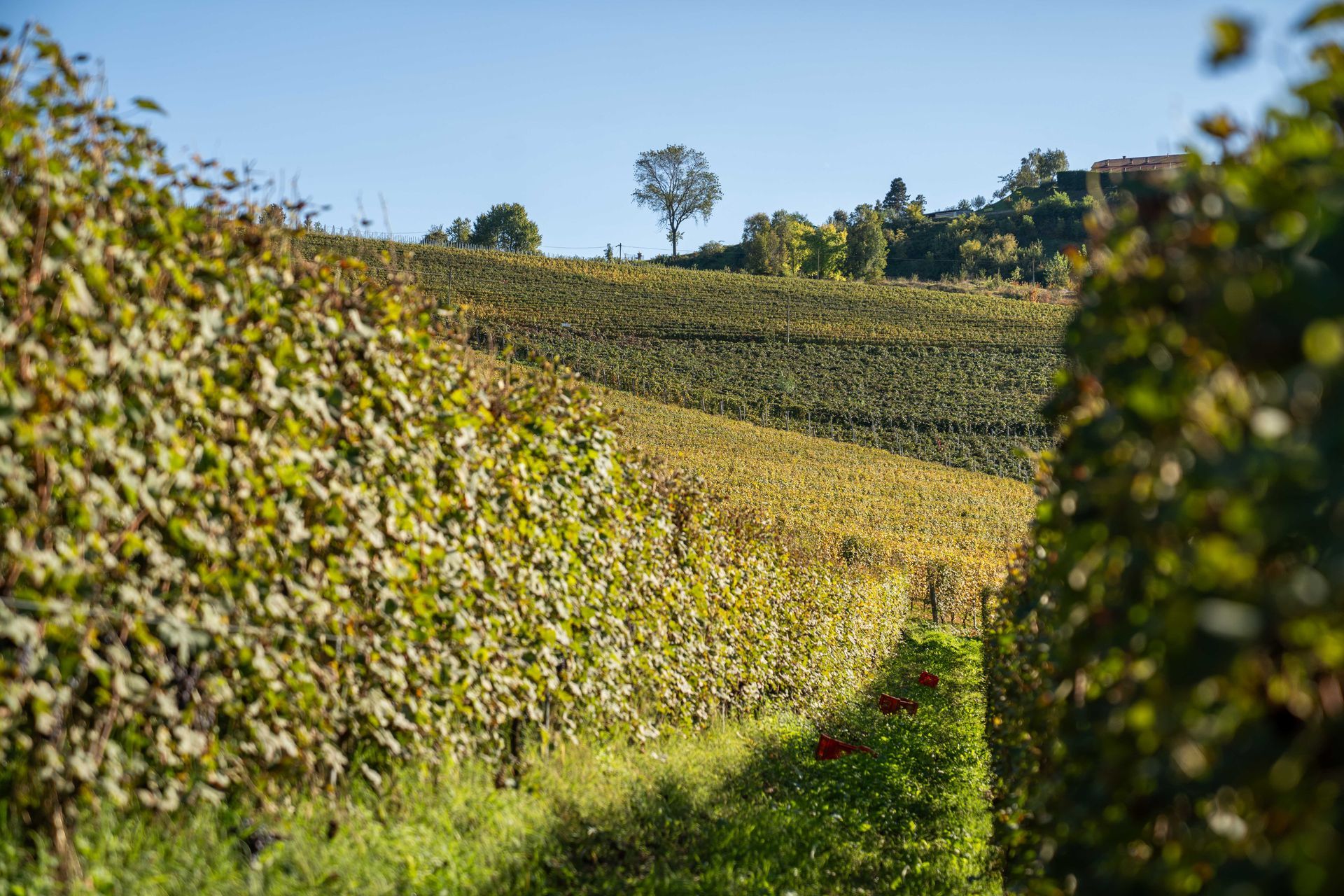
Sunlight and light are essential for photosynthesis, the process through which the vine produces the sugars needed for its growth and the development of the berries.
Good sun exposure can promote even ripening and contribute to the formation of aromatic compounds and pigments, particularly in red grape varieties.
However, excessive exposure combined with high temperatures can cause sunburn on the berries and accelerate the degradation of certain heat-sensitive compounds.
For this reason, canopy and foliage management is important: it helps maintain a balance between light exposure, ventilation, and cluster protection.
Rainfall and Water Availability
Water is essential for vine growth and for the proper functioning of its physiological processes. The amount and distribution of rainfall throughout the growing season can influence both grape yield and quality.
- Balanced water availability: supports vine function and promotes regular ripening.
- Prolonged drought: can reduce photosynthesis, limit growth, and slow down ripening under severe water stress.
- Heavy rainfall close to harvest: can increase the risk of fungal diseases and, under certain conditions, lead to the dilution of grape berry components or berry splitting.
The effects also depend on soil drainage, root depth, and the soil’s water-holding capacity.
The diurnal temperature range (day–night temperature variation)
The difference between daytime and nighttime temperatures, known as the diurnal temperature range, can influence vine metabolism and the development of compounds present in grapes.
Sunny days promote photosynthesis, while relatively cool nights can slow berry respiration and help preserve acidity, particularly malic acid.
Under certain conditions, these temperature differences can also help preserve specific aromatic compounds and the pigments responsible for the colour of red wines.
However, this is not an absolute rule: the outcome depends on the grape variety, the stage of ripening, and the overall conditions of the vintage.
How Climate Influences Wine Characteristics
Climatic conditions during grape ripening affect grape characteristics and, through winemaking decisions, shape the wine’s overall profile.
Sugar Levels and Potential Alcohol Content.
Temperature and sunlight influence photosynthesis and sugar accumulation. Other factors being equal, higher sugar concentrations can lead to a higher potential alcohol content
.
Acidity and Freshness
Warm conditions can accelerate the loss of malic acid in grapes, while cooler conditions can help preserve it. This contributes to the wine’s overall taste balance.
Colour and Phenolic Compounds
In red grapes, climate and sun exposure influence the development of anthocyanins and tannins. Extreme heat can hinder the accumulation of certain pigments, depending on the grape variety and environmental conditions.
Aromas and Flavours
Temperature and water availability affect the development of aroma precursors. Aromatic ripeness does not necessarily coincide with sugar ripeness: both must be assessed to determine the optimal harvest time.
Climate Change and the New Challenges of Viticulture
Rising average temperatures and the increasing frequency of certain extreme weather events are changing the conditions under which grapevines are cultivated.
In many wine-growing regions, ripening and harvesting tend to occur earlier than in the past, although the extent of this trend varies depending on the region and the vintage. Heatwaves, droughts, late frosts, and intense rainfall can make vineyard management more challenging.
To address these challenges, producers can consider several strategies, including:
- Adapting canopy management to protect grape clusters from excessive heat.
- Monitoring the water status of vines to manage water availability more effectively.
- Carefully choosing the harvest time to achieve the desired balance between sugar levels, acidity, and aromatic maturity.
- Considering rootstocks and grape varieties better suited to local conditions, in compliance with applicable regulations.
- Improving soil management and its ability to retain water.
The effectiveness of these strategies depends on the specific characteristics of each vineyard and requires careful, ongoing management.
Harvest: Choosing the Right Time
Harvest is the moment when the observations made throughout the growing season are translated into a practical decision.
To determine the most suitable time for harvesting, the winegrower evaluates several parameters: sugar concentration, acidity, the health of the grape clusters, aromatic ripeness and, for red grapes, the development of phenolic compounds.
The goal is not simply to harvest grapes with high sugar levels, but to achieve a balance that is consistent with the desired wine style.
Forecast weather conditions, variations between vineyards, and the characteristics of the grape variety can therefore all influence the choice of harvest date.
Conclusion: Climate as an Element of Wine Identity
Climate influences every stage of grape ripening and helps make each vintage different from the previous one. Temperature, sunlight, water availability, and diurnal temperature variations interact with the grape variety,
soil, and the winemaker’s work, creating specific conditions for each vintage.
Observing and interpreting these factors makes it possible to plan the harvest more effectively and bring out the distinctive characteristics of the grapes.
For a winery, understanding its local climate and adapting cultivation practices to the vineyard’s conditions means working towards producing wines that express the character of the terroir and the unique qualities of each vintage.
FQA - How Climate Influences Grape Ripening
How does heat affect grape quality?
High temperatures can accelerate sugar accumulation and the breakdown of malic acid. If heat is intense and prolonged, it can also hinder the development of certain aromas and pigments, cause sunburn on grape berries, and reduce water availability for the vine.
How does rainfall affect grape ripening?
Rainfall provides the water needed by the vine, but its effects depend on the amount and timing of the precipitation. Adequate water availability supports growth, while heavy rainfall close to harvest can increase the risk of fungal diseases, berry splitting, and the dilution of certain grape components.
In che modo il clima influenza il grado alcolico del vino? ChatGPT ha detto: How does climate influence the alcohol content of wine?
Climate affects sugar accumulation in grapes, which is converted into alcohol during fermentation. Under conditions that favour sugar ripening, the wine can therefore reach a higher potential alcohol content. The final result also depends on the grape variety, water availability, and winemaking choices.
How can winegrowers protect grapes from excessive heat?
Winegrowers can protect grapes from excessive heat through careful canopy management, ensuring adequate protection of grape clusters from the most intense sunlight, monitoring the water status of the vines, and adapting agricultural practices to the vineyard’s specific conditions. Choosing the right harvest time is also essential.
Can climate change the taste of wine from one vintage to another?
Yes. Climatic variations can affect the balance between sugar and acidity, aromatic intensity, colour, and the structure of the wine. As a result, wines produced from the same grape variety in the same vineyard can display different sensory characteristics from one vintage to another.
Condividi articolo
Potrebbe interessarti anche: