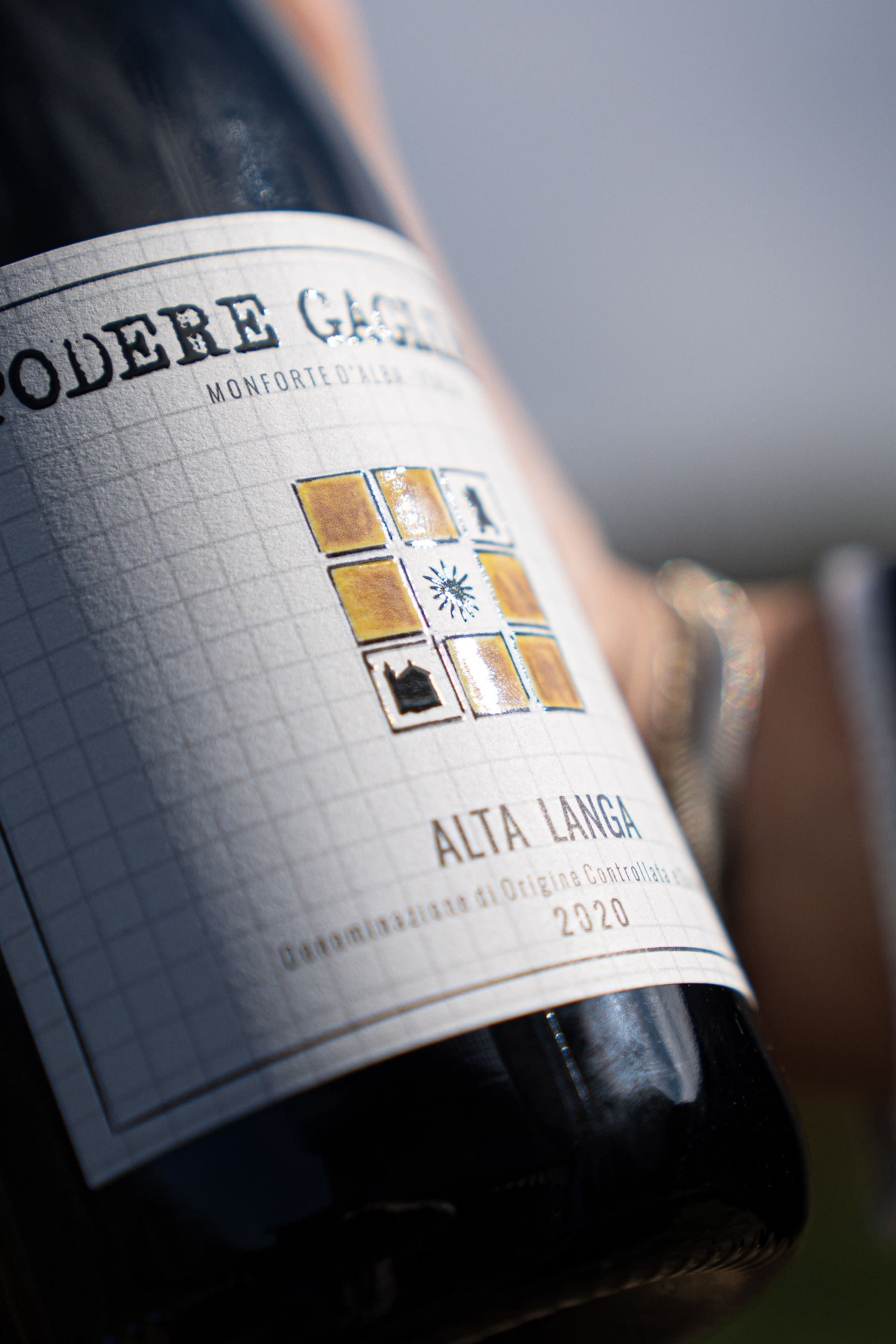
Nebbiolo d'Alba e Langhe Nebbiolo: Two different souls
Nebbiolo d'Alba vs Langhe Nebbiolo: difference and PDO
When talking about great Piedmontese wines, Nebbiolo is undoubtedly the main protagonist. It is a grape that doesn’t like shortcuts, requiring time, attention, and respect—but in return, it produces wines of extraordinary personality.
Within the Langhe region, two DOC designations often compared are
Nebbiolo d’Alba and
Langhe Nebbiolo. Both come from the same grape, but they tell different stories, even from a regulatory perspective.
The history of Nebbiolo: Piedmont's iconic grape
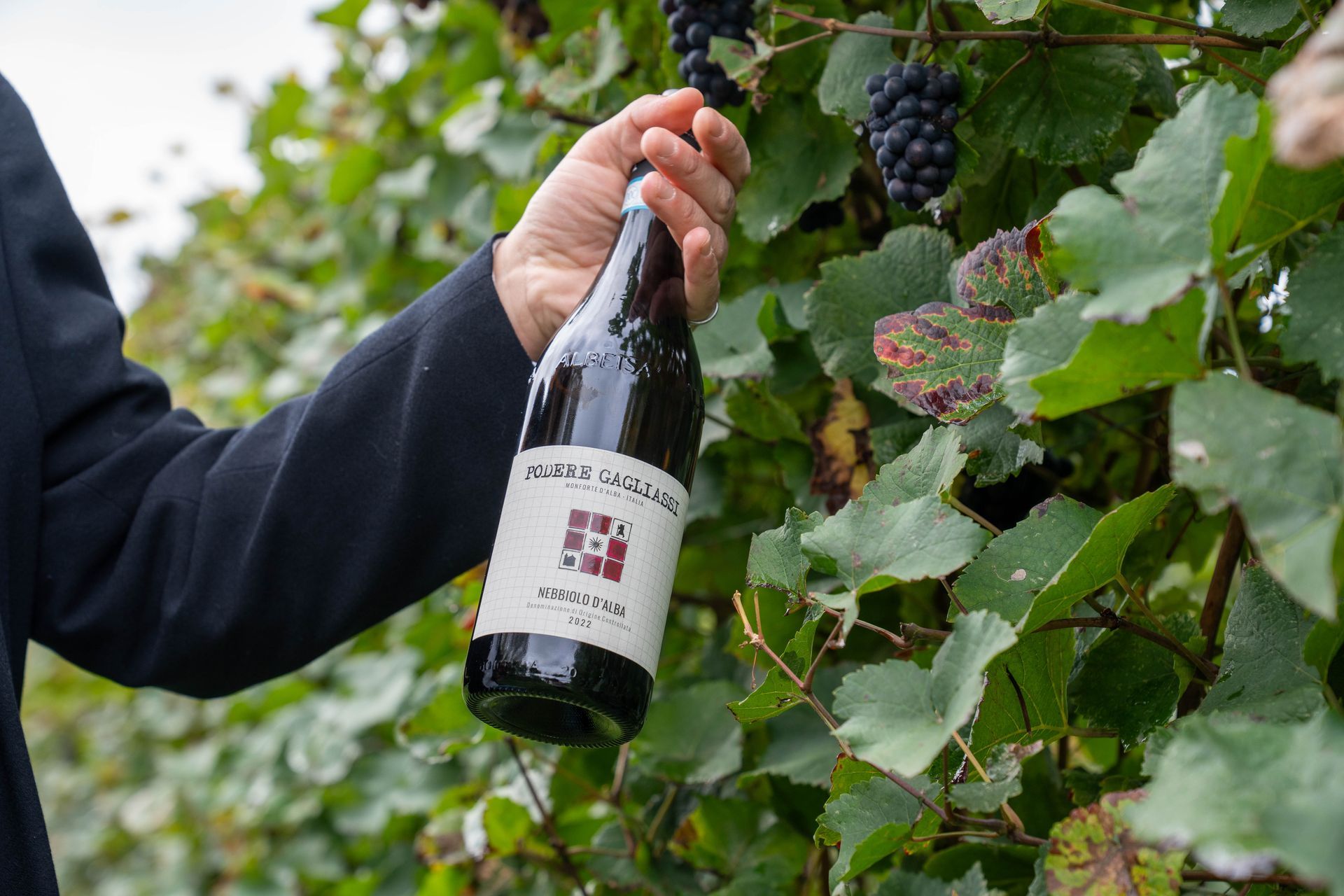
Nebbiolo is one of Italy’s oldest grape varieties. Written records date back to the Middle Ages, and even then it was considered a grape of great prestige. Its name likely comes from the fog that envelops the Langhe hills in autumn, when Nebbiolo is harvested, much later than other varieties.
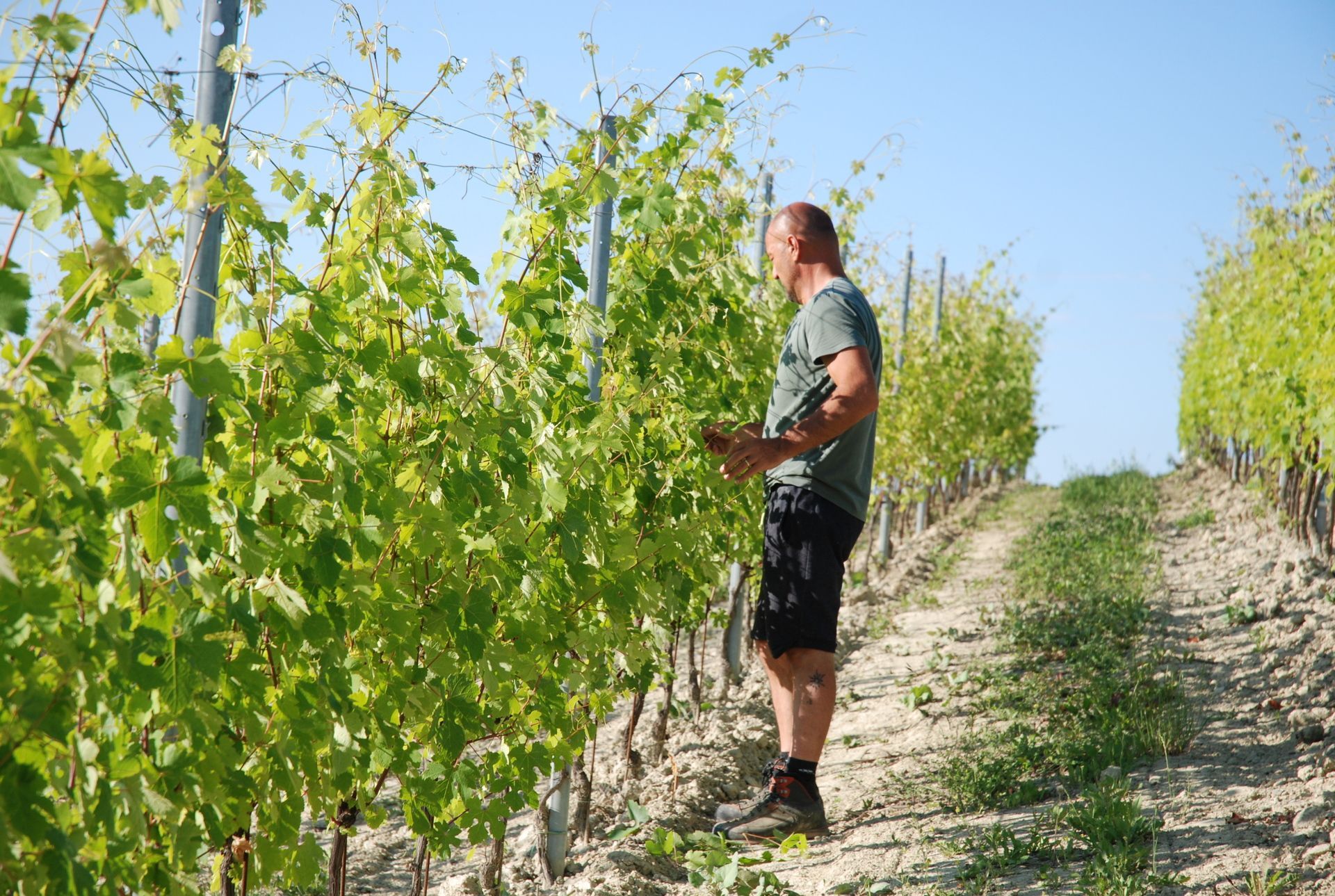
Primarily grown in the Langhe and Roero, Nebbiolo has found its ideal environment here: calcareous soils, sunny exposures, and significant temperature swings. This is where some of Italy’s most famous wines are produced, such as
Barolo, Barbaresco, Nebbiolo d’Alba, and Langhe Nebbiolo.
Caracteristics of Nebbiolo
Nebbiolo is immediately recognizable in the glass:
• garnet-red color, turning more orange with age
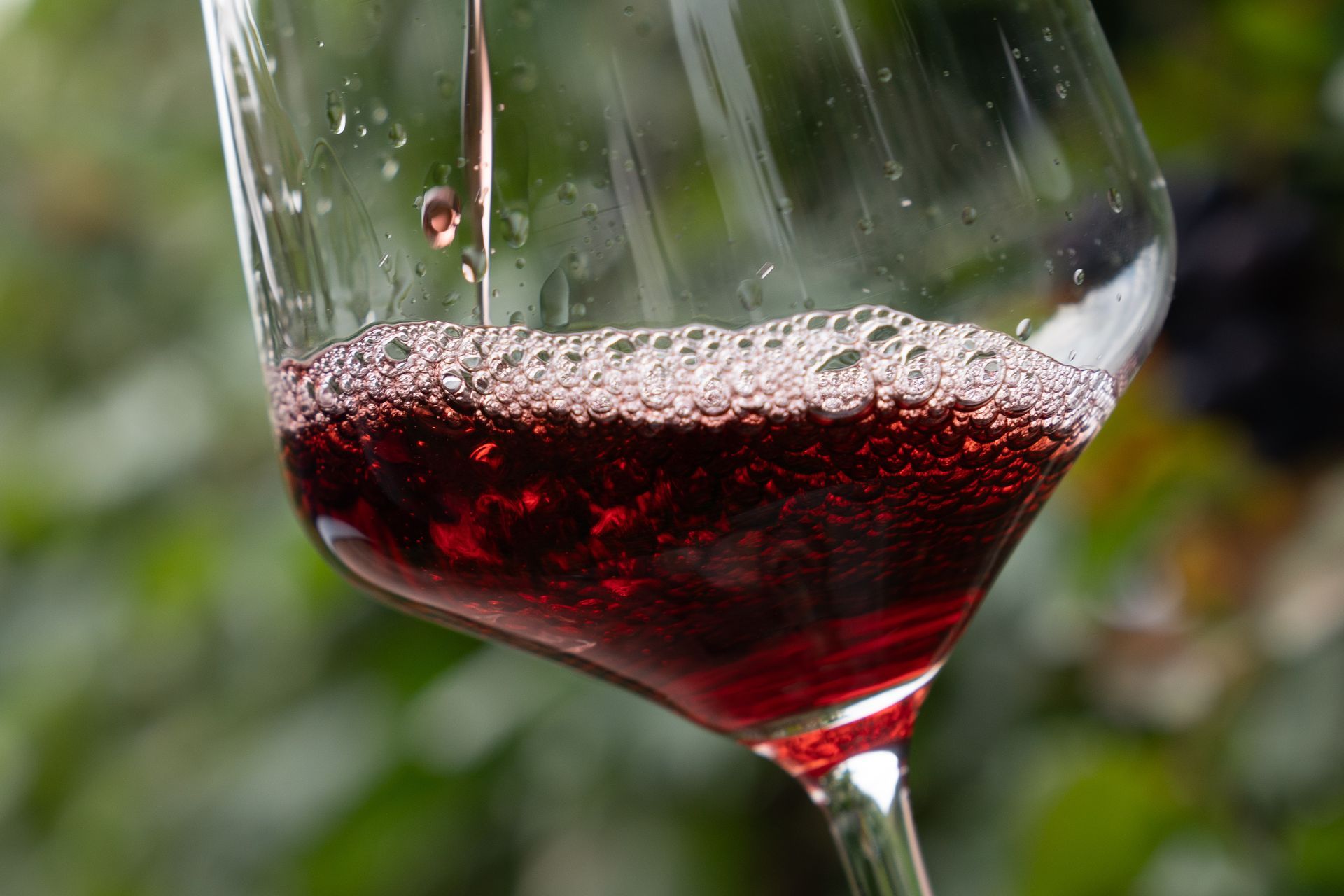
• elegant aromas of rose, violet, ripe cherry, spices, licorice, and forest floor
• high acidity and firm tannins, which ensure longevity
• excellent aging potential
It’s a wine that evolves in the glass and over time, always maintaining a strong sense of place.
Nebbiolo d' Alba DOC: identity and territory
The Nebbiolo d’Alba DOC is a historic, well-defined designation linked to the municipalities surrounding Alba.
Regulatory Aspects
According to its DOC regulations:
• the production area is limited
• wine must be made from 100% Nebbiolo
• yields per hectare are lower
• minimum alcohol content is higher than Langhe Nebbiolo
These rules create wines that are more structured, complex, and elegant, often suitable for medium-long aging.
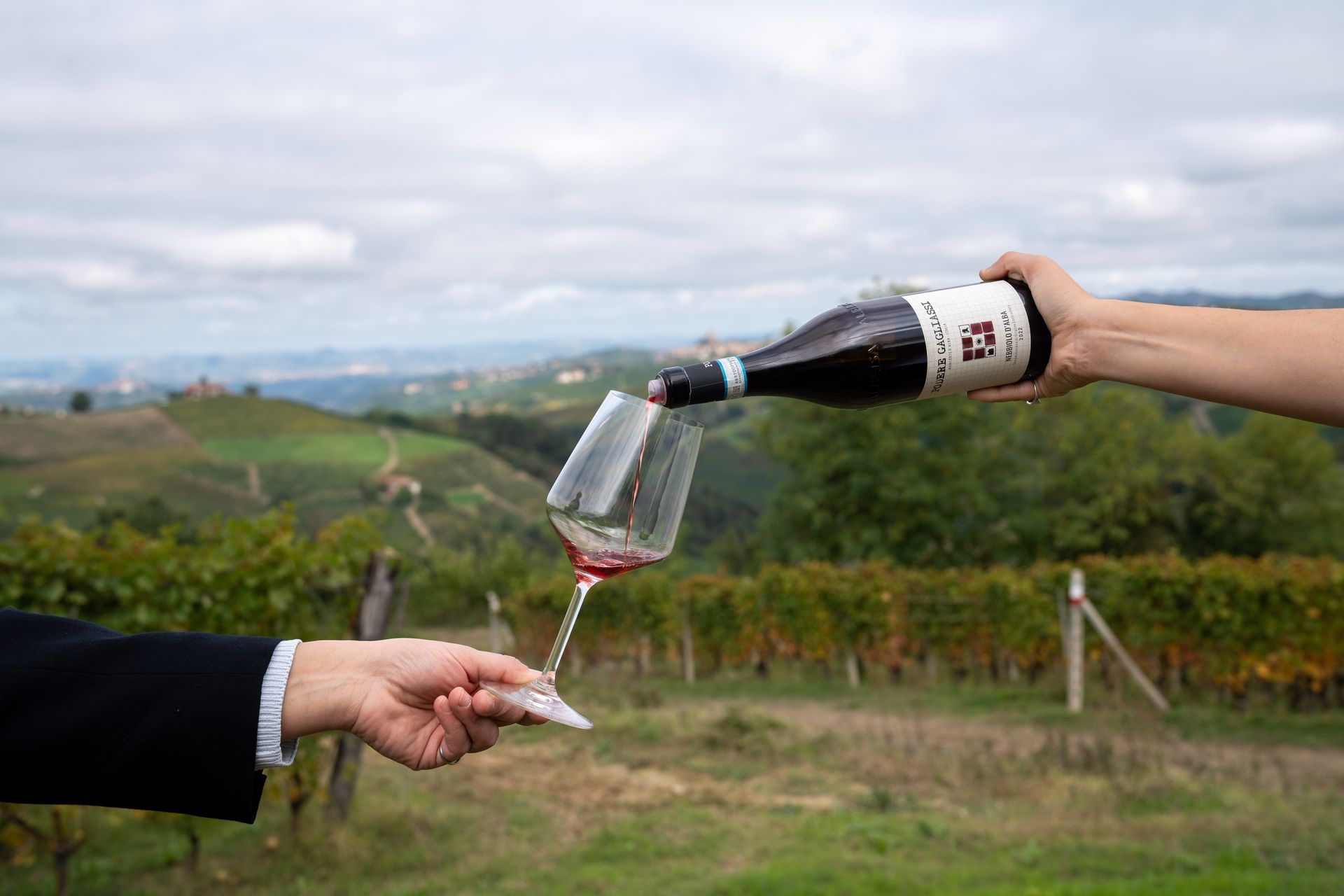
Nebbiolo d’Alba
is a wine that clearly reflects its territory, with greater depth and precision.
Langhe nebbiolo DOC: versatility and approachability
The Langhe Nebbiolo DOC was created as a broader designation, designed to showcase Nebbiolo grown across the Langhe region.
Regulatory Aspects
Its DOC rules include:
• a wider production area
• minimum 85% Nebbiolo
• higher yields per hectare
• lower minimum alcohol content
The result is a wine generally fresher, more approachable, and ready to drink earlier, while still retaining typical Nebbiolo characteristics.
Nebbiolo d' Alba and Langhe Nebbiolo: The differences
Although they share the same grape, the differences between Nebbiolo d’Alba and Langhe Nebbiolo are clear:
• Territory: more specific and limited for Nebbiolo d’Alba
• Regulations: stricter for Nebbiolo d’Alba
• Style: more structured and deep for Nebbiolo d’Alba, more fresh and approachable for Langhe Nebbiolo
Both denominations have value, but they reflect different winemaking philosophies.
Podere Gagliassi's choice
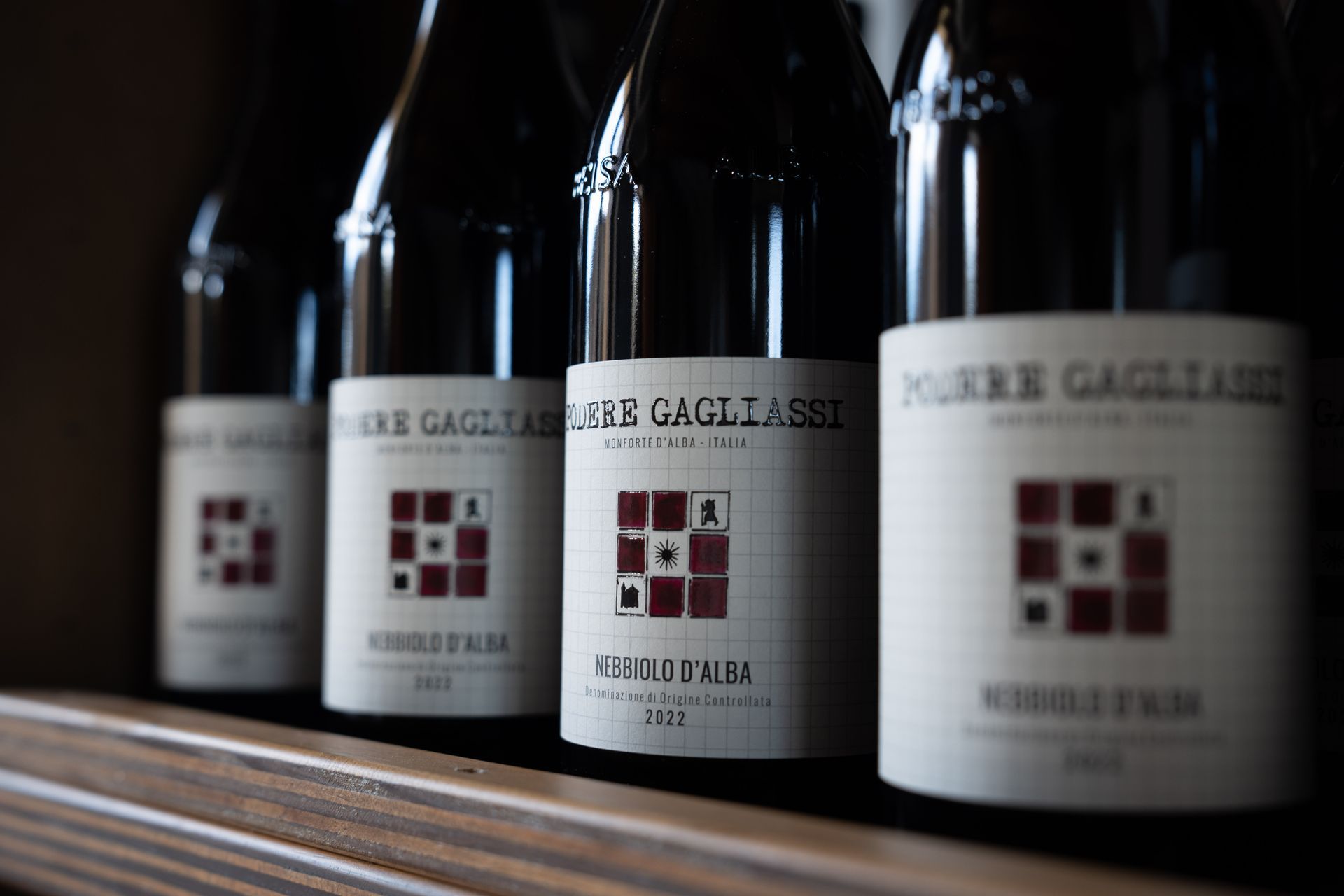
At Podere Gagliassi, we made a conscious choice: to produce only Nebbiolo d’Alba DOC.
We believe this designation best represents our idea of wine: authenticity, respect for the territory, and the highest expression of Nebbiolo.
Every bottle tells the story of Alba and its hills, without compromise, honoring a grape that requires time, passion, and care.
Nebbiolo d’Alba and Langhe Nebbiolo are two interpretations of the same great grape. Knowing the differences helps understand the Langhe region better and appreciate Nebbiolo’s richness and complexity.
Choosing a Nebbiolo d’Alba DOC means selecting a wine with a strong territorial identity, capable of telling a story of tradition, elegance, and character.
FAQ on Nebbiolo d'Alba DOC Podere Gagliassi
Which wine is more structured, Nebbiolo d’Alba or Langhe Nebbiolo?
Nebbiolo d’Alba is generally more structured and complex, while Langhe Nebbiolo is fresher and more approachable.
Is Langhe Nebbiolo a wine to drink young?
Typically, yes. Langhe Nebbiolo is meant to be more approachable and enjoyable at a younger age, while still retaining the Nebbiolo character.
What dishes pair well with Nebbiolo d’Alba?
Nebbiolo d’Alba pairs perfectly with rich dishes like red meats, roasts, braised dishes, game, and aged cheeses.
Is Nebbiolo d’Alba similar to Barolo?
It shares the same grape as Barolo, but Nebbiolo d’Alba is generally more approachable in style and ready-to-drink timing.
Where is Nebbiolo grown?
Nebbiolo is mainly grown in Piedmont, particularly in the Langhe, Roero, and around Alba.
Condividi articolo
Potrebbe interessarti anche: