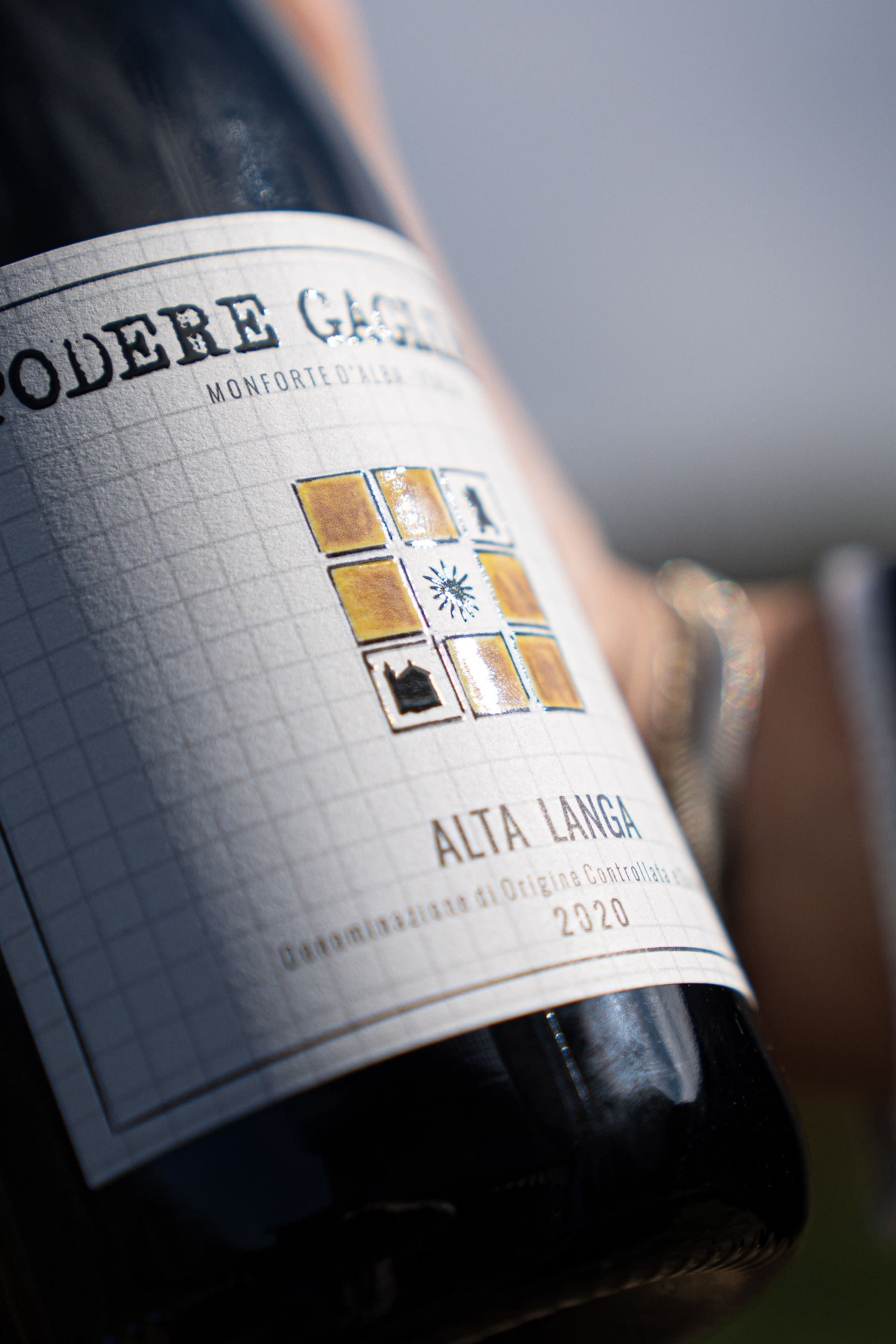
Barbera d'Alba and Barbera d'Alba Superiore DOC Langhe wines
Barbera d’Alba: identity, Terroir, and Interpretation in the Langhe
Barbera d’Alba is not just a wine: it is one of the most representative grape varieties of Piedmont and a historic voice of the Langhe.
Energy, freshness, and territorial character make Piedmontese Barbera an authentic and ever-relevant expression.
Present for centuries in the local wine landscape, Barbera has evolved over time, moving from an everyday wine to an increasingly conscious interpretation of the Langhe terroir, while preserving its identity intact.
The terroir of Monforte d’Alba: Where our Barbera is Born
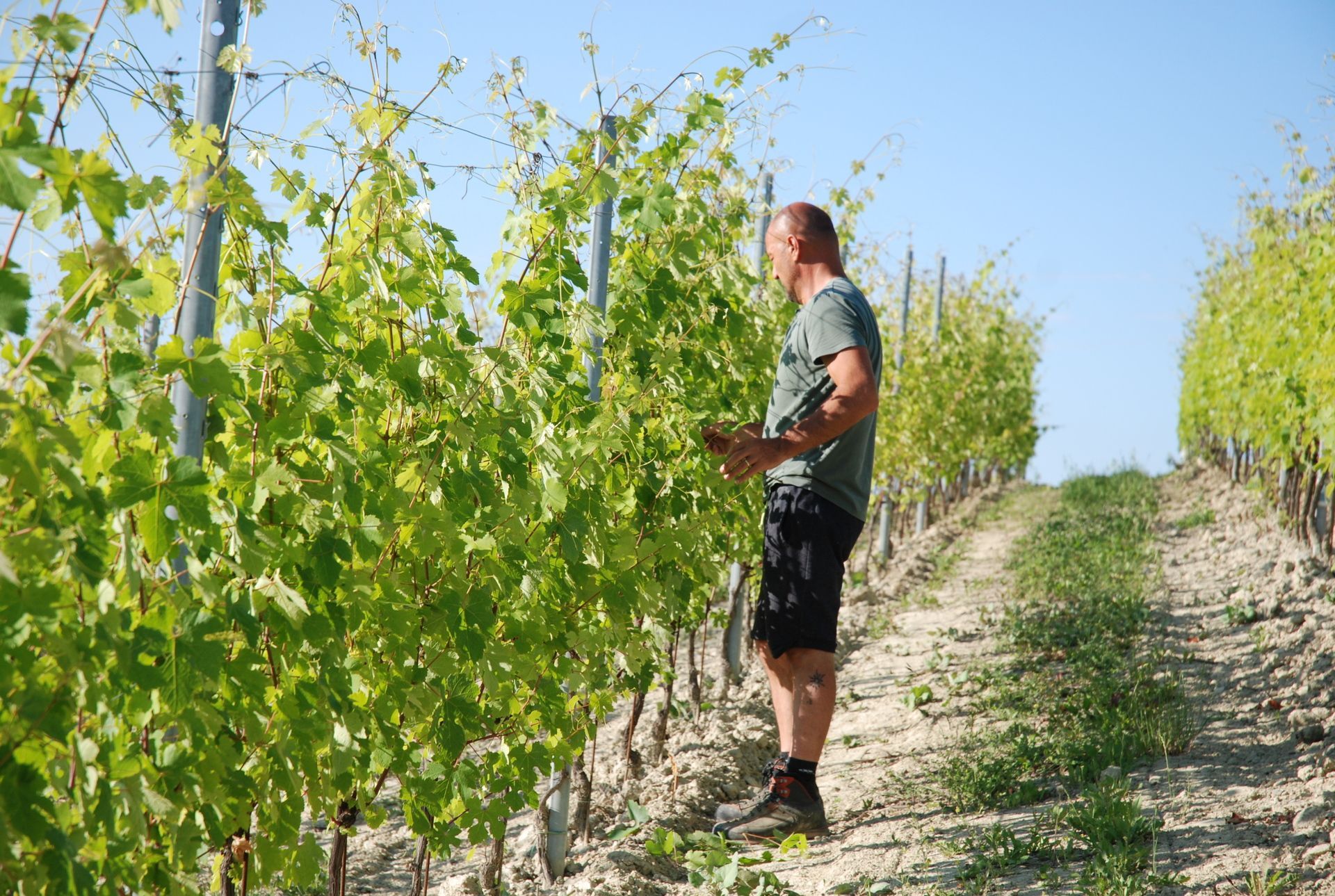
In the hills of Monforte d’Alba, one of the emblematic towns of Langhe wines, Barbera finds ideal conditions to express balance, tension, and depth. In particular, on our historic hill of
Pian Romualdo, one of the oldest and most representative in the Langa, the grape authentically expresses the character of the territory.
THE VINEYARD AS THE STARTING POINT
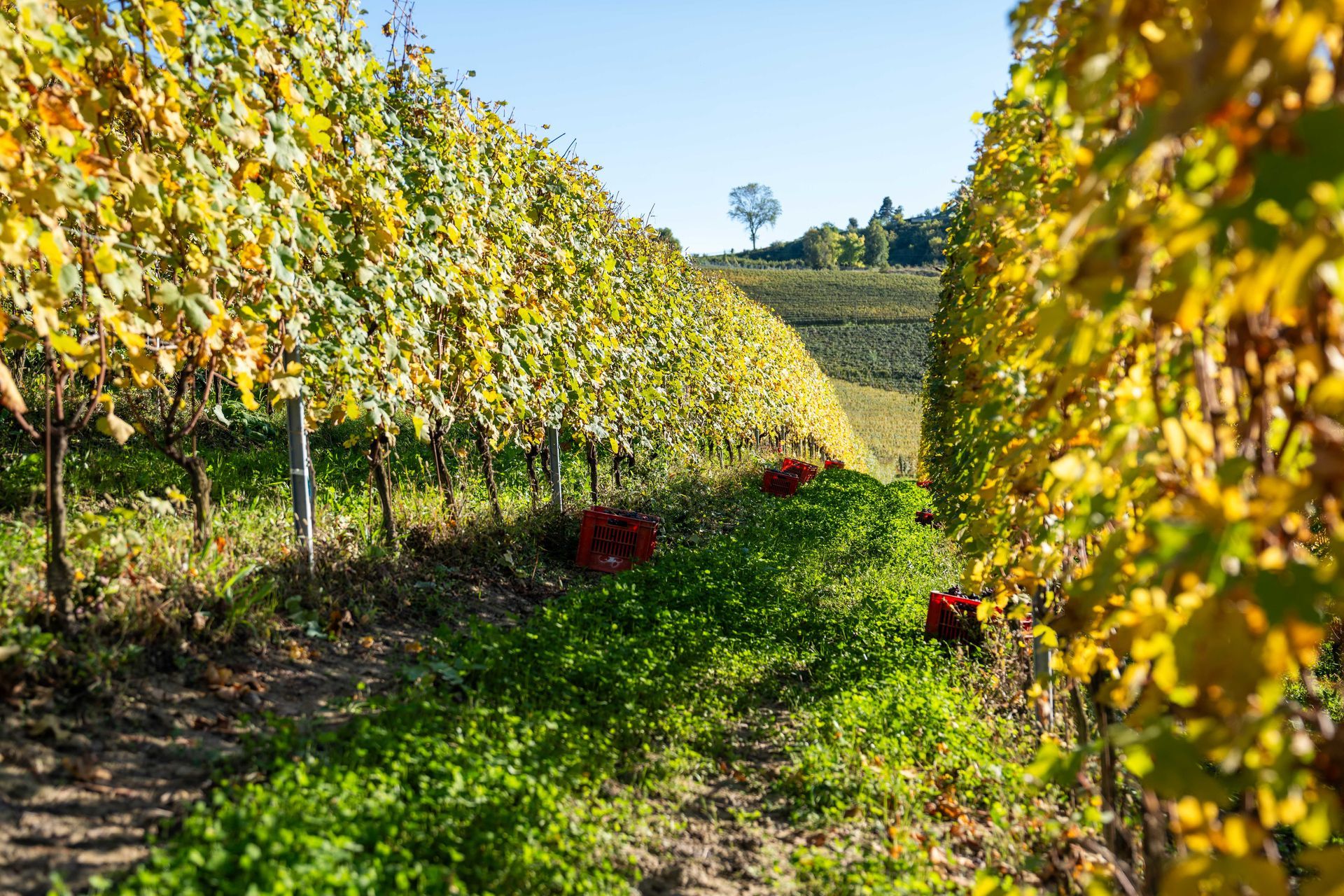
To understand our interpretation of Barbera d’Alba, one must start from the vineyard.
A single plot, a steep hill, and a precise choice: letting nature define the wine’s style.
The hill creates two distinct environments:
• Lower zone, richer and with greater water retention
• Upper zone, more draining and naturally poorer
From this difference come two Barberas, complementary and deeply connected to their context.
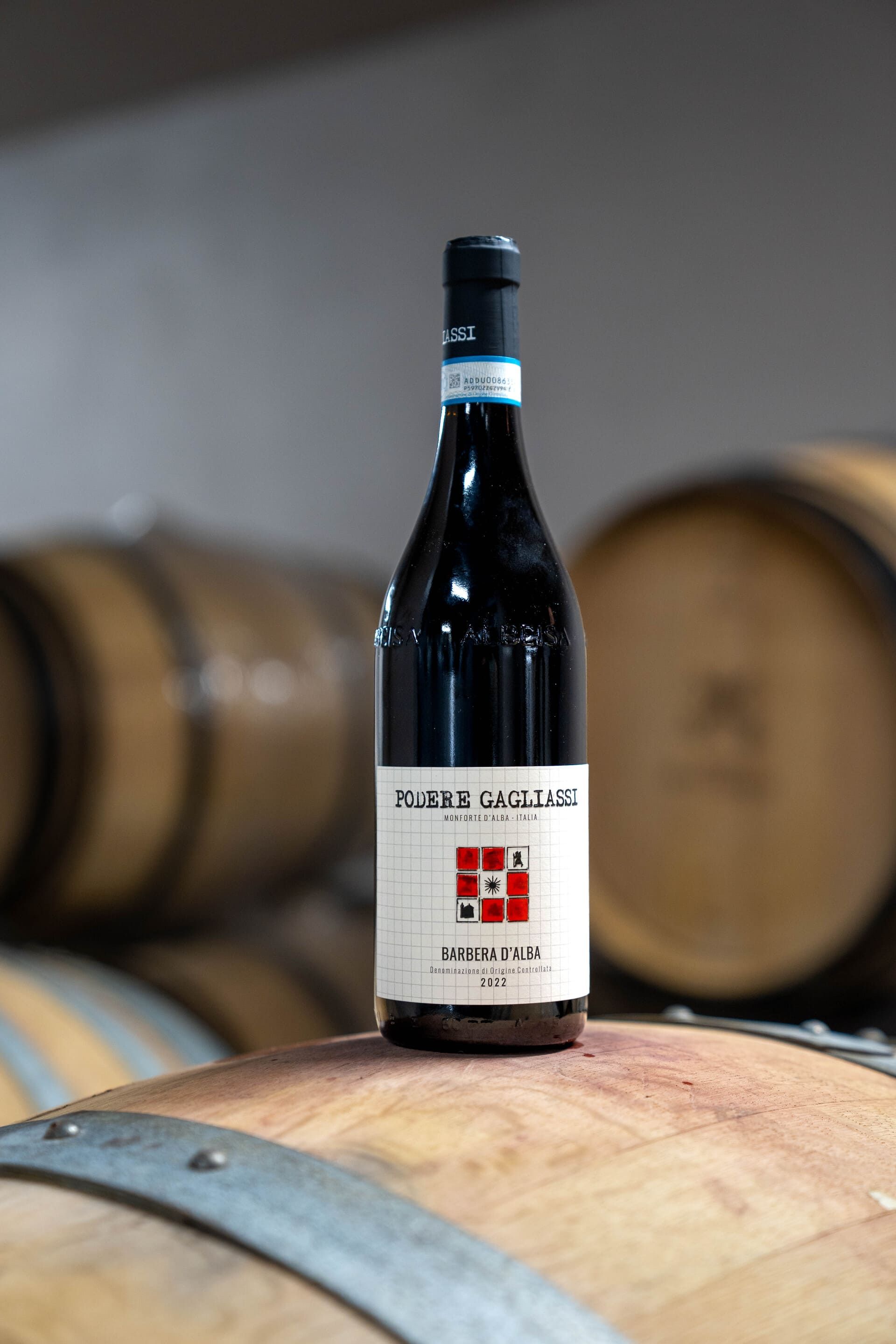
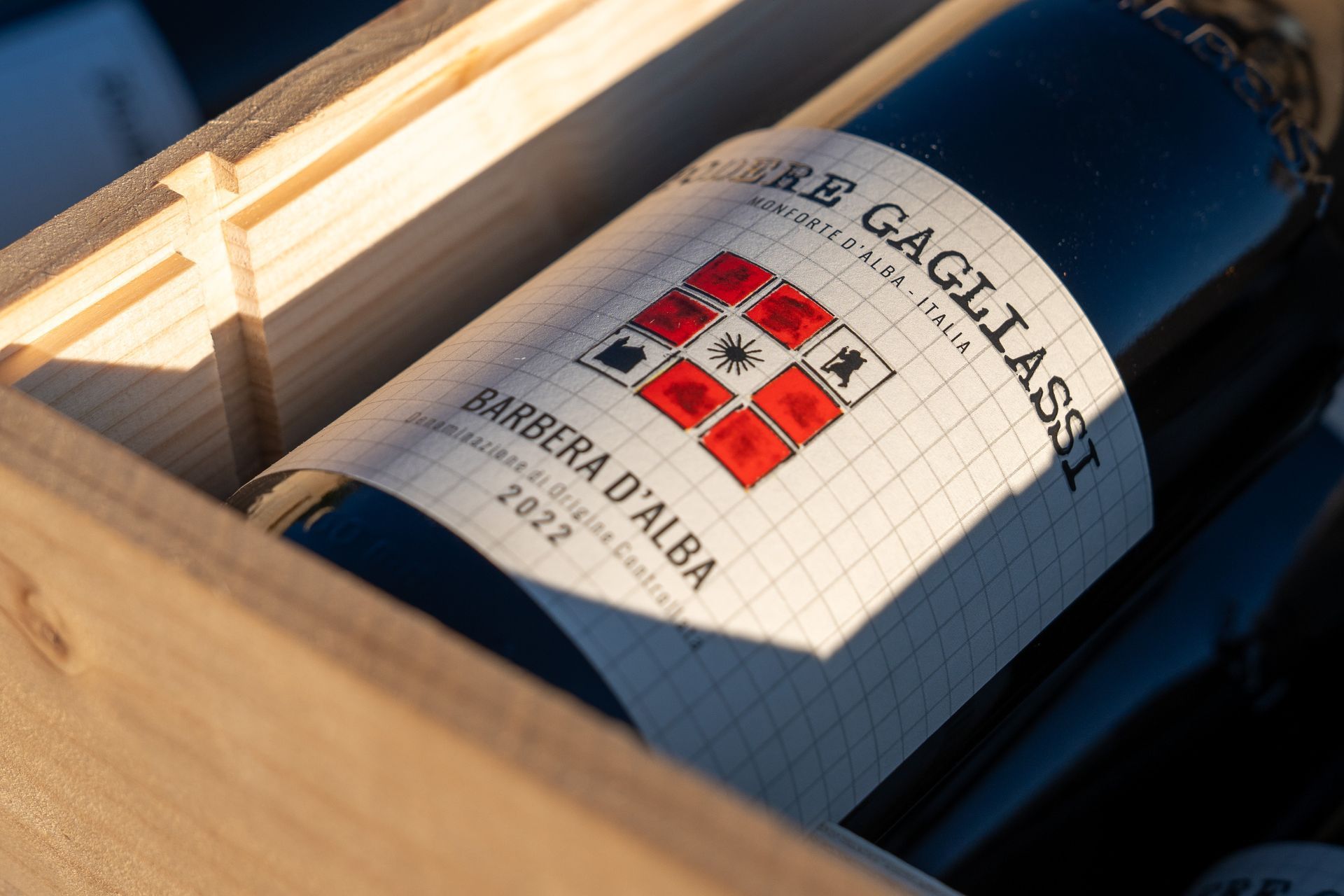
Barbera d’Alba DOC: Freshness and Immediacy
Barbera d’Alba DOC comes from the lower part of the vineyard, where the soil allows regular ripening and a more relaxed profile.
Vinification takes place exclusively in stainless steel, aiming to preserve:
• Aromatic purity
• Lively varietal acidity
• Immediate fruit expression
The result is a fresh, dynamic, and sincere Barbera, ideal for those seeking a direct and authentic Langhe wine, perfect even for everyday tasting.
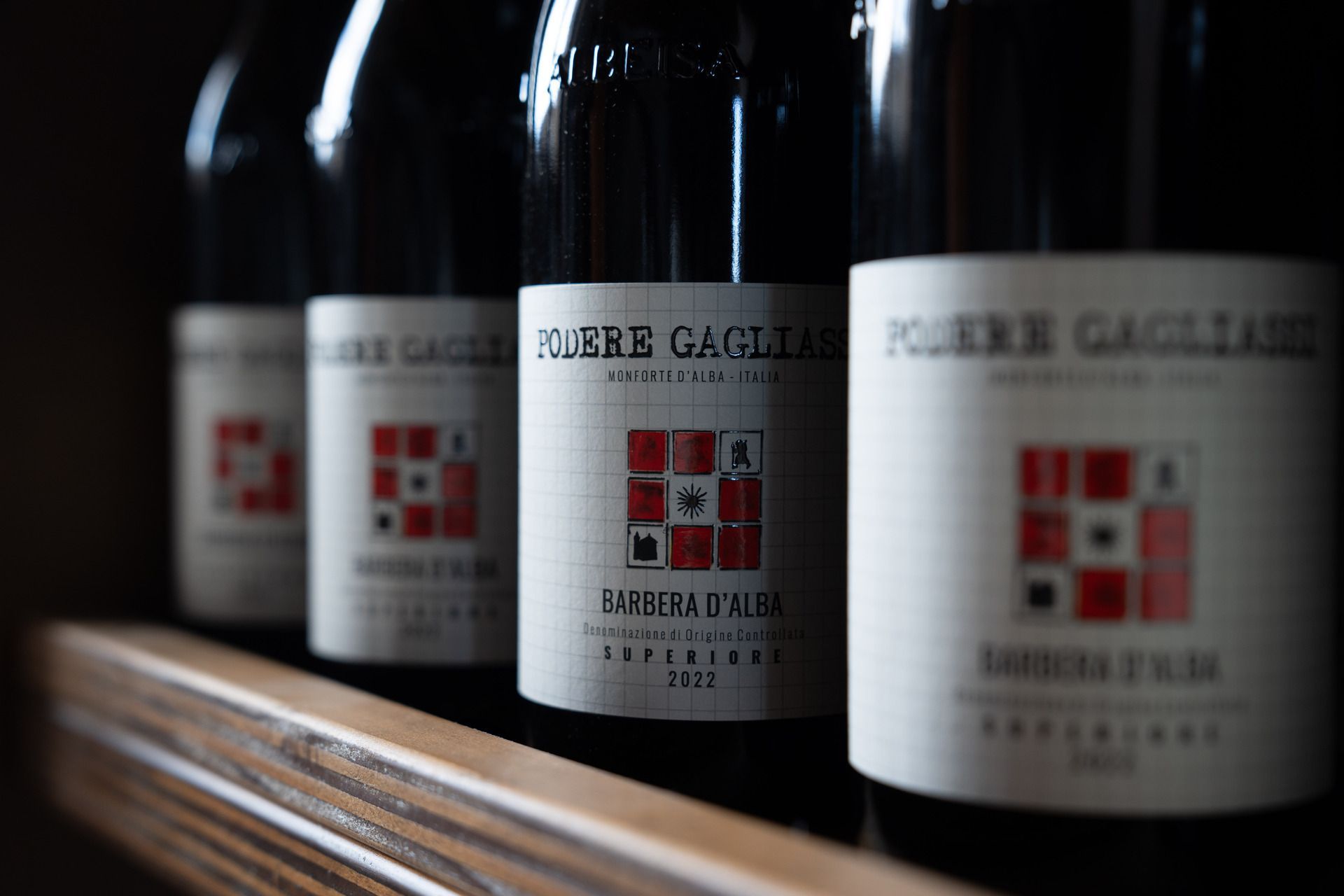
Barbera d’Alba Superiore DOC: concentration and time
Barbera d’Alba Superiore DOC comes from the upper part of the hill, where natural drainage and slight water stress reduce yields and increase concentration.
These conditions bring:
• Greater structure
• Aromatic intensity
• Gustatory depth
In compliance with production regulations, the wine matures for at least 12 months in French oak, developing complexity, balance, and aging potential.
It is a Barbera designed for those seeking a more structured wine, capable of telling not only the story of the land but also the passage of time.
Two Barberas, One Production Philosophy
Barbera d’Alba DOC and Barbera d’Alba Superiore DOC do not represent a hierarchy, but two interpretations of the same grape variety.
• On one hand, freshness and drinkability
• On the other, structure and longevity
In both cases, the goal is the same: to respect the vineyard, accompany the wine, and preserve its identity.
La Barbera According to Podere Gagliassi
Consistency between hill and cellar, between raw material and style, between tradition and contemporary vision.
Every bottle tells the story of Monforte d’Alba with precision, respect, and awareness.
One grape, two interpretations, one identity:
that of the Langhe.
Where does Barbera come from?
Barbera originates in Piedmont and has been documented since the Middle Ages. Over time, it evolved from a simple everyday wine into a quality-driven expression of terroir, especially in the Langhe.
What are the characteristics of Barbera from the Langhe?
Langhe Barbera wines are known for:
• vibrant acidity
• aromas of red and black fruit
• balance between freshness and depth
• excellent food-pairing ability
In Monforte d’Alba, Barbera gains extra tension and elegance.
Is Barbera a wine suitable for aging?
Yes. While many Barberas are enjoyed young, Barbera Superiore and single-vineyard expressions can age gracefully for 10–15 years, developing spicy and balsamic notes.
What is the difference between Barbera and Nebbiolo?
• Barbera: high acidity, low tannins, earlier drinking
• Nebbiolo: high tannins, more austere, long aging potential
Both are essential grapes of Piedmont but offer very different styles.
What type of soil is best for Barbera?
Barbera thrives in calcareous-clay soils, typical of the Langhe, which enhance freshness, minerality and aromatic precision.
Condividi articolo
Potrebbe interessarti anche: